Buy modelplac.eu ?
We are moving the project
modelplac.eu .
Are you interested in purchasing the domain
modelplac.eu ?
domain@kv-gmbh.de · 0541-91531010
Buy modelplac.eu ?
Was Yugoslavia a democracy?
Yugoslavia was officially a socialist federal republic, and its political system was based on the principles of self-management and workers' councils. While it had elements of a multi-party system and periodic elections, the Communist Party held a dominant position in the government and society. This limited the true democratic nature of the country, as the ruling party had significant control over political and social life. Therefore, while Yugoslavia had some democratic features, it did not fully function as a liberal democracy. **
What happened to Yugoslavia?
Yugoslavia was a country in Southeast Europe that existed from 1918 to 2003. It was formed after World War I and consisted of several different ethnic groups, including Serbs, Croats, and Bosniaks. However, ethnic tensions and political conflicts eventually led to the breakup of Yugoslavia in the 1990s. This breakup resulted in a series of violent conflicts, including the Bosnian War and the Kosovo War. By 2003, the remaining parts of Yugoslavia had all become independent nations, including Serbia, Croatia, Bosnia and Herzegovina, Montenegro, North Macedonia, and Slovenia. **

Similar search terms for Yugoslavia
Top-Angebote
Products related to Yugoslavia:
-
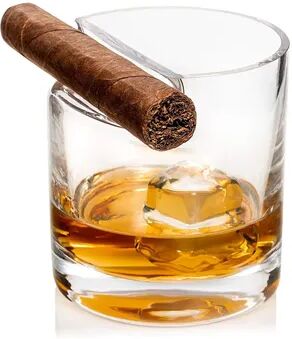
Multicon Wholesale Hub Cigar Glass On Top Cups Drinkware Glass For Whiskey, Tiki Fashion Tumbler Accessories, Crystal Design Cigar Glass On Top Cups Drinkware Glass For Whiskey, Tiki Fashion Tumbler Accessories, Crystal DesignElevate your sipping ritual with this Drinkware Glass for Whiskey, designed for those who appreciate craftsmanship, style, and indulgence in every detail. This elegant glass combines function and luxury by seamlessly pairing your favorite whiskey...79,97 $*Shipping: 0,00 $Secure redirect to the provider
-
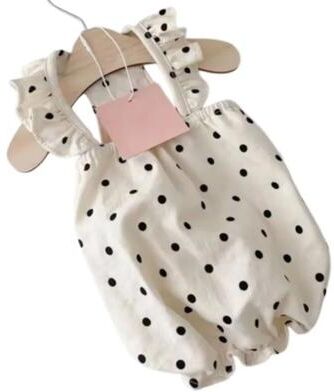
Uplifted Finds Summer Polka Dot Fashion Pet Apparel xlElevate your pet's seasonal wardrobe with the Summer PolkaDot Fashion Outfit. Available as either a charming pupskirt or a sleek, thin shirt, this collection is designed for the fashionforward pet who wants to stay cool while looking sweet. Crafted...45,97 $*Shipping: 0,00 $Secure redirect to the provider
-
Uplifted Finds Summer Polka Dot Fashion Pet Apparel lElevate your pet's seasonal wardrobe with the Summer PolkaDot Fashion Outfit. Available as either a charming pupskirt or a sleek, thin shirt, this collection is designed for the fashionforward pet who wants to stay cool while looking sweet. Crafted...45,97 $*Shipping: 0,00 $Secure redirect to the provider
-
What is Yugoslavia called today?
Yugoslavia is no longer a country. It dissolved in the early 1990s due to ethnic conflicts and is now split into several independent countries. These countries include Serbia, Croatia, Slovenia, Bosnia and Herzegovina, Montenegro, Kosovo, and North Macedonia. **
-
How would Yugoslavia look like today?
It is difficult to predict exactly how Yugoslavia would look like today as there are many factors to consider. However, it is possible that the country would have faced challenges due to its diverse ethnic and religious makeup. There may have been ongoing tensions between different groups, potentially leading to political instability and conflict. On the other hand, if the country had managed to maintain unity and stability, it could have been a strong player in the region with a diverse and vibrant culture. **
-
Which language was spoken in Yugoslavia?
The main language spoken in Yugoslavia was Serbo-Croatian, which is a South Slavic language. This language was a combination of Serbian and Croatian dialects and was used as the official language of the country. Other languages spoken in Yugoslavia included Slovenian, Macedonian, and Albanian, reflecting the diverse ethnic makeup of the country. **
-
What is the problem regarding Yugoslavia?
The problem regarding Yugoslavia is the ongoing ethnic and political tensions that have persisted since the breakup of the country in the 1990s. The region has experienced violent conflicts and wars, resulting in the loss of thousands of lives and the displacement of millions of people. The unresolved issues of ethnic nationalism, territorial disputes, and political instability continue to hinder the progress and stability of the region. Additionally, the lack of reconciliation and accountability for war crimes and human rights abuses further complicates efforts to achieve lasting peace and stability in the former Yugoslav states. **

Why does Yugoslavia no longer exist?
Yugoslavia no longer exists due to a combination of factors, including ethnic and nationalist tensions, economic difficulties, and the collapse of communism. The country was made up of multiple ethnic groups, including Serbs, Croats, and Bosnians, which led to internal conflicts and eventually the breakup of the country. Additionally, the fall of communism in Eastern Europe and the economic struggles that followed contributed to the disintegration of Yugoslavia. Ultimately, these factors led to the secession of various republics and the eventual dissolution of the country. **
Is Yugoslavia a world power today?
No, Yugoslavia is not a world power today. In fact, Yugoslavia as a political entity ceased to exist in the 1990s, breaking up into several independent countries including Serbia, Croatia, Bosnia and Herzegovina, Montenegro, North Macedonia, and Slovenia. These individual countries do not hold the same level of global influence or power as the former Yugoslavia once did. Therefore, Yugoslavia is not a world power today. **
Top-Angebote
Products related to Yugoslavia:
-
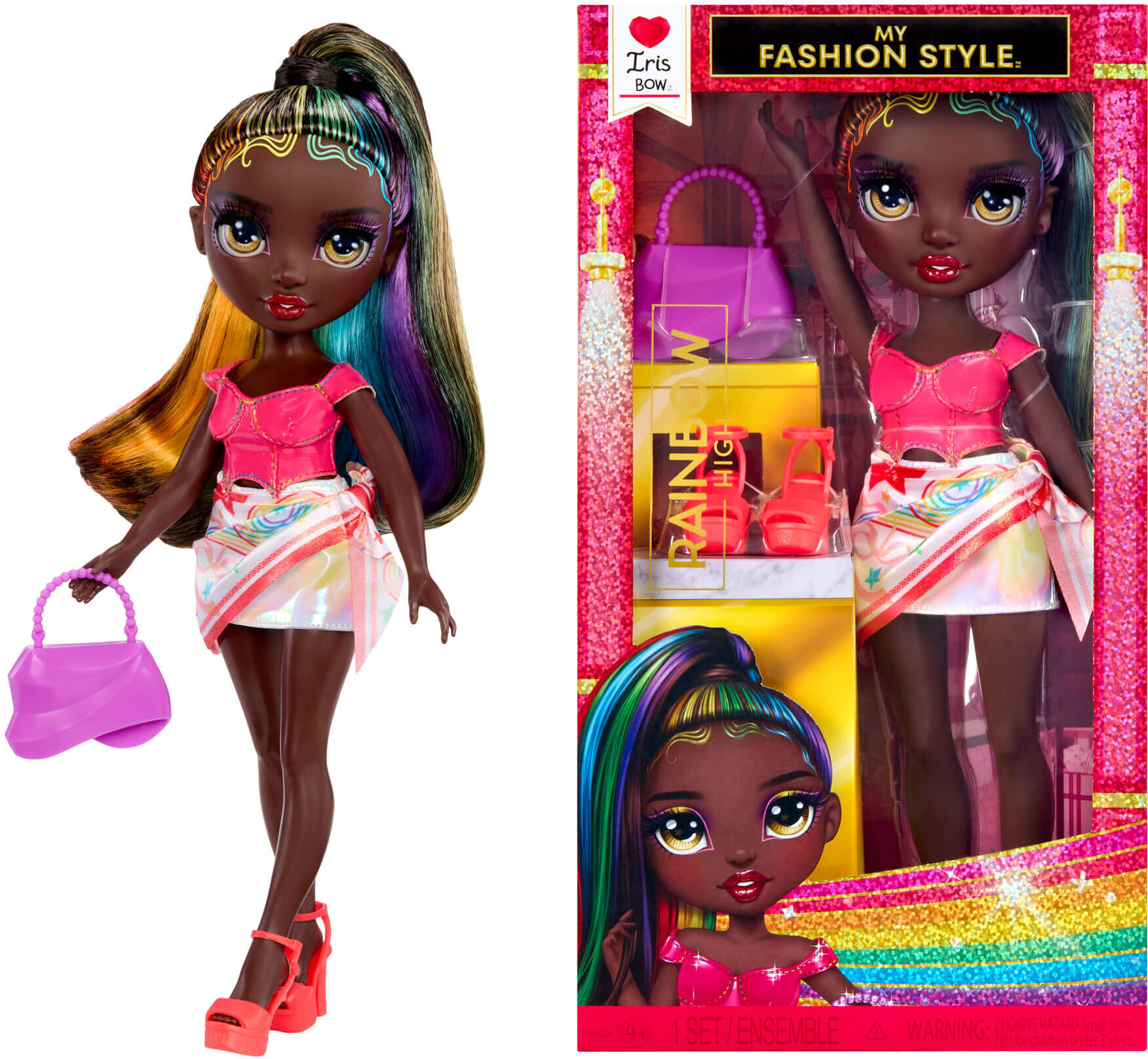
Rainbow High My Fashion Style Iris 11-Inch Fashion Doll with Red Outfit and Accessories for KidsBring bold colour and imaginative storytelling to playtime with Rainbow High's My Fashion Style Iris. This 11-inch fashion doll features Iris's rainbow-highlighted high ponytail and a bright statement outfit, perfect for styling adventures, friendship stories, and display. Key features include an articulated design that allows Iris to stand, sit, and strike different poses, as well as detailed features like long eyelashes, glass-effect eyes, and rainbow hair highlights. The doll comes dressed in a red top with a colourful satin scarf and wrap-style skirt, and includes coordinating shoes and a handbag. Outfits can be mixed and matched with other dolls from the My Fashion Style range. The set contains one Rainbow High Iris fashion doll, one complete outfit, shoes, and a handbag. Iris measures 11 inches tall and is suitable for children aged four years and over.17,31 £*Shipping: 3,95 £Secure redirect to the provider
-
Multicon Wholesale Hub Cigar Glass On Top Cups Drinkware Glass For Whiskey, Tiki Fashion Tumbler Accessories, Crystal Design Cigar Glass On Top Cups Drinkware Glass For Whiskey, Tiki Fashion Tumbler Accessories, Crystal DesignElevate your sipping ritual with this Drinkware Glass for Whiskey, designed for those who appreciate craftsmanship, style, and indulgence in every detail. This elegant glass combines function and luxury by seamlessly pairing your favorite whiskey...79,97 $*Shipping: 0,00 $Secure redirect to the provider
-
Was Yugoslavia a democracy?
Yugoslavia was officially a socialist federal republic, and its political system was based on the principles of self-management and workers' councils. While it had elements of a multi-party system and periodic elections, the Communist Party held a dominant position in the government and society. This limited the true democratic nature of the country, as the ruling party had significant control over political and social life. Therefore, while Yugoslavia had some democratic features, it did not fully function as a liberal democracy. **
-
What happened to Yugoslavia?
Yugoslavia was a country in Southeast Europe that existed from 1918 to 2003. It was formed after World War I and consisted of several different ethnic groups, including Serbs, Croats, and Bosniaks. However, ethnic tensions and political conflicts eventually led to the breakup of Yugoslavia in the 1990s. This breakup resulted in a series of violent conflicts, including the Bosnian War and the Kosovo War. By 2003, the remaining parts of Yugoslavia had all become independent nations, including Serbia, Croatia, Bosnia and Herzegovina, Montenegro, North Macedonia, and Slovenia. **
-
What is Yugoslavia called today?
Yugoslavia is no longer a country. It dissolved in the early 1990s due to ethnic conflicts and is now split into several independent countries. These countries include Serbia, Croatia, Slovenia, Bosnia and Herzegovina, Montenegro, Kosovo, and North Macedonia. **
-
How would Yugoslavia look like today?
It is difficult to predict exactly how Yugoslavia would look like today as there are many factors to consider. However, it is possible that the country would have faced challenges due to its diverse ethnic and religious makeup. There may have been ongoing tensions between different groups, potentially leading to political instability and conflict. On the other hand, if the country had managed to maintain unity and stability, it could have been a strong player in the region with a diverse and vibrant culture. **
Similar search terms for Yugoslavia
-
Uplifted Finds Summer Polka Dot Fashion Pet Apparel xlElevate your pet's seasonal wardrobe with the Summer PolkaDot Fashion Outfit. Available as either a charming pupskirt or a sleek, thin shirt, this collection is designed for the fashionforward pet who wants to stay cool while looking sweet. Crafted...45,97 $*Shipping: 0,00 $Secure redirect to the provider
-
Uplifted Finds Summer Polka Dot Fashion Pet Apparel lElevate your pet's seasonal wardrobe with the Summer PolkaDot Fashion Outfit. Available as either a charming pupskirt or a sleek, thin shirt, this collection is designed for the fashionforward pet who wants to stay cool while looking sweet. Crafted...45,97 $*Shipping: 0,00 $Secure redirect to the provider
-
Uplifted Finds Summer Polka Dot Fashion Pet Apparel xsElevate your pet's seasonal wardrobe with the Summer PolkaDot Fashion Outfit. Available as either a charming pupskirt or a sleek, thin shirt, this collection is designed for the fashionforward pet who wants to stay cool while looking sweet. Crafted...45,97 $*Shipping: 0,00 $Secure redirect to the provider
-
Uplifted Finds Summer Polka Dot Fashion Pet Apparel mElevate your pet's seasonal wardrobe with the Summer PolkaDot Fashion Outfit. Available as either a charming pupskirt or a sleek, thin shirt, this collection is designed for the fashionforward pet who wants to stay cool while looking sweet. Crafted...45,97 $*Shipping: 0,00 $Secure redirect to the provider
-
Which language was spoken in Yugoslavia?
The main language spoken in Yugoslavia was Serbo-Croatian, which is a South Slavic language. This language was a combination of Serbian and Croatian dialects and was used as the official language of the country. Other languages spoken in Yugoslavia included Slovenian, Macedonian, and Albanian, reflecting the diverse ethnic makeup of the country. **
-
What is the problem regarding Yugoslavia?
The problem regarding Yugoslavia is the ongoing ethnic and political tensions that have persisted since the breakup of the country in the 1990s. The region has experienced violent conflicts and wars, resulting in the loss of thousands of lives and the displacement of millions of people. The unresolved issues of ethnic nationalism, territorial disputes, and political instability continue to hinder the progress and stability of the region. Additionally, the lack of reconciliation and accountability for war crimes and human rights abuses further complicates efforts to achieve lasting peace and stability in the former Yugoslav states. **
-
Why does Yugoslavia no longer exist?
Yugoslavia no longer exists due to a combination of factors, including ethnic and nationalist tensions, economic difficulties, and the collapse of communism. The country was made up of multiple ethnic groups, including Serbs, Croats, and Bosnians, which led to internal conflicts and eventually the breakup of the country. Additionally, the fall of communism in Eastern Europe and the economic struggles that followed contributed to the disintegration of Yugoslavia. Ultimately, these factors led to the secession of various republics and the eventual dissolution of the country. **
-
Is Yugoslavia a world power today?
No, Yugoslavia is not a world power today. In fact, Yugoslavia as a political entity ceased to exist in the 1990s, breaking up into several independent countries including Serbia, Croatia, Bosnia and Herzegovina, Montenegro, North Macedonia, and Slovenia. These individual countries do not hold the same level of global influence or power as the former Yugoslavia once did. Therefore, Yugoslavia is not a world power today. **
* All prices are inclusive of VAT and, if applicable, plus shipping costs. The offer information is based on the details provided by the respective shop and is updated through automated processes. Real-time updates do not occur, so deviations can occur in individual cases. ** Note: Parts of this content were created by AI.