Buy modelplac.eu ?
We are moving the project
modelplac.eu .
Are you interested in purchasing the domain
modelplac.eu ?
domain@kv-gmbh.de · 0541-91531010
Buy modelplac.eu ?
What are venous sinuses?
Venous sinuses are large, thin-walled blood vessels found within the dura mater, the tough outermost membrane surrounding the brain. They are responsible for draining deoxygenated blood and cerebrospinal fluid from the brain and returning it to the systemic circulation. Venous sinuses have a unique structure, with no traditional endothelial lining, and they are surrounded by layers of dura mater. These sinuses play a crucial role in maintaining the proper circulation and drainage of fluids within the brain. **
What is a venous bleeding?
Venous bleeding is the type of bleeding that occurs when a vein is damaged or punctured, leading to blood flowing out of the vein. Venous bleeding is characterized by a steady flow of dark red blood, as veins carry blood that is low in oxygen. It is generally easier to control venous bleeding compared to arterial bleeding, as veins have lower pressure. However, if left untreated, venous bleeding can still lead to significant blood loss and should be addressed promptly. **


Similar search terms for Venous
Top-Angebote
Products related to Venous:
-
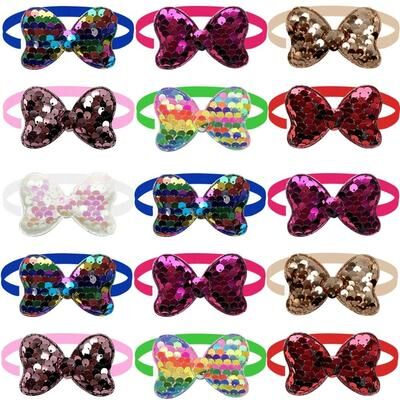
Uplift Essentials Sequin Style Pet Bow Tie Set High Fashion Grooming Accessories For Dogs & Cats (50 Piece Bulk Pack) Sequin Style Pet Bow Tie Set High Fashion Grooming Accessories For Dogs & Cats (50 Piece Bulk Pack)Elevate your pets aesthetic for any special occasion with our Professional Sequin Style Pet Bow Tie Set. Specifically engineered for highvisibility fashion and professional grooming finishes, this 50piece collection features a stunning array of...74,97 $*Shipping: 0,00 $Secure redirect to the provider
-
Uplifted Finds Summer Polka Dot Fashion Pet Apparel 2xlElevate your pet's seasonal wardrobe with the Summer PolkaDot Fashion Outfit. Available as either a charming pupskirt or a sleek, thin shirt, this collection is designed for the fashionforward pet who wants to stay cool while looking sweet. Crafted...45,97 $*Shipping: 0,00 $Secure redirect to the provider
-
Uplifted Finds Summer Polka Dot Fashion Pet Apparel xlElevate your pet's seasonal wardrobe with the Summer PolkaDot Fashion Outfit. Available as either a charming pupskirt or a sleek, thin shirt, this collection is designed for the fashionforward pet who wants to stay cool while looking sweet. Crafted...45,97 $*Shipping: 0,00 $Secure redirect to the provider



-
How can one refuse venous access?
One can refuse venous access by clearly communicating their decision to the healthcare provider. It is important to provide a valid reason for refusing the procedure, such as fear of needles or previous negative experiences. Patients have the right to refuse any medical procedure, but it is important to discuss alternative options with the healthcare provider to ensure proper care is provided. **
-
What is the pelvic venous syndrome?
Pelvic venous syndrome (PVS) is a condition that occurs when the veins in the pelvic area become enlarged and dysfunctional, leading to symptoms such as chronic pelvic pain, pelvic congestion, and varicose veins in the pelvis. This can be caused by a variety of factors, including pregnancy, hormonal changes, and increased pressure on the pelvic veins. PVS is more common in women and can significantly impact their quality of life. Treatment options for PVS may include medication, minimally invasive procedures, or surgery to alleviate symptoms and improve venous function in the pelvic area. **
-
How can one refuse the venous access?
One can refuse venous access by clearly communicating their decision to the healthcare provider. It is important to express any concerns or reasons for refusal, and to ask for alternative options if available. It is also important to understand the potential consequences of refusing venous access, and to make an informed decision based on the advice of the healthcare provider. Ultimately, it is the individual's right to refuse any medical procedure, but it is important to have an open and respectful conversation with the healthcare provider to ensure the best possible care. **
-
Why are there venous and arterial capillaries?
Venous and arterial capillaries serve different functions in the circulatory system. Arterial capillaries are responsible for delivering oxygenated blood from the heart to the tissues, while venous capillaries collect deoxygenated blood from the tissues and return it to the heart. This separation allows for efficient exchange of gases, nutrients, and waste products between the blood and the tissues. Additionally, the different pressures and oxygen levels in the arterial and venous systems require specialized capillaries to accommodate these differences. **


What are the signs of venous insufficiency?
Signs of venous insufficiency include swelling in the legs and ankles, aching or heaviness in the legs, skin discoloration or changes, varicose veins, leg ulcers, and a feeling of warmth in the legs. Additionally, some people may experience itching or a tingling sensation in the legs. If you are experiencing any of these symptoms, it is important to consult with a healthcare professional for proper diagnosis and treatment. **
How is the venous access performed as a radiologic technologist?
As a radiologic technologist, venous access is typically performed by inserting an intravenous (IV) catheter into a patient's vein. This is done to administer contrast media for various imaging procedures such as CT scans, MRI scans, and angiography. The technologist will first assess the patient's veins to determine the best location for the IV insertion. They will then clean the area, apply a tourniquet to help visualize the vein, and carefully insert the IV catheter. Once the catheter is in place, the technologist will secure it and ensure proper flow of contrast media during the imaging procedure. **
Top-Angebote
Products related to Venous:
-
Multicon Wholesale Hub Cigar Glass On Top Cups Drinkware Glass For Whiskey, Tiki Fashion Tumbler Accessories, Crystal Design Cigar Glass On Top Cups Drinkware Glass For Whiskey, Tiki Fashion Tumbler Accessories, Crystal DesignElevate your sipping ritual with this Drinkware Glass for Whiskey, designed for those who appreciate craftsmanship, style, and indulgence in every detail. This elegant glass combines function and luxury by seamlessly pairing your favorite whiskey...79,97 $*Shipping: 0,00 $Secure redirect to the provider
-
Uplift Essentials Sequin Style Pet Bow Tie Set High Fashion Grooming Accessories For Dogs & Cats (50 Piece Bulk Pack) Sequin Style Pet Bow Tie Set High Fashion Grooming Accessories For Dogs & Cats (50 Piece Bulk Pack)Elevate your pets aesthetic for any special occasion with our Professional Sequin Style Pet Bow Tie Set. Specifically engineered for highvisibility fashion and professional grooming finishes, this 50piece collection features a stunning array of...74,97 $*Shipping: 0,00 $Secure redirect to the provider
-
Uplifted Finds Summer Polka Dot Fashion Pet Apparel 2xlElevate your pet's seasonal wardrobe with the Summer PolkaDot Fashion Outfit. Available as either a charming pupskirt or a sleek, thin shirt, this collection is designed for the fashionforward pet who wants to stay cool while looking sweet. Crafted...45,97 $*Shipping: 0,00 $Secure redirect to the provider
-
What are venous sinuses?
Venous sinuses are large, thin-walled blood vessels found within the dura mater, the tough outermost membrane surrounding the brain. They are responsible for draining deoxygenated blood and cerebrospinal fluid from the brain and returning it to the systemic circulation. Venous sinuses have a unique structure, with no traditional endothelial lining, and they are surrounded by layers of dura mater. These sinuses play a crucial role in maintaining the proper circulation and drainage of fluids within the brain. **
-
What is a venous bleeding?
Venous bleeding is the type of bleeding that occurs when a vein is damaged or punctured, leading to blood flowing out of the vein. Venous bleeding is characterized by a steady flow of dark red blood, as veins carry blood that is low in oxygen. It is generally easier to control venous bleeding compared to arterial bleeding, as veins have lower pressure. However, if left untreated, venous bleeding can still lead to significant blood loss and should be addressed promptly. **
-
How can one refuse venous access?
One can refuse venous access by clearly communicating their decision to the healthcare provider. It is important to provide a valid reason for refusing the procedure, such as fear of needles or previous negative experiences. Patients have the right to refuse any medical procedure, but it is important to discuss alternative options with the healthcare provider to ensure proper care is provided. **
-
What is the pelvic venous syndrome?
Pelvic venous syndrome (PVS) is a condition that occurs when the veins in the pelvic area become enlarged and dysfunctional, leading to symptoms such as chronic pelvic pain, pelvic congestion, and varicose veins in the pelvis. This can be caused by a variety of factors, including pregnancy, hormonal changes, and increased pressure on the pelvic veins. PVS is more common in women and can significantly impact their quality of life. Treatment options for PVS may include medication, minimally invasive procedures, or surgery to alleviate symptoms and improve venous function in the pelvic area. **
Similar search terms for Venous
-
Uplifted Finds Summer Polka Dot Fashion Pet Apparel xlElevate your pet's seasonal wardrobe with the Summer PolkaDot Fashion Outfit. Available as either a charming pupskirt or a sleek, thin shirt, this collection is designed for the fashionforward pet who wants to stay cool while looking sweet. Crafted...45,97 $*Shipping: 0,00 $Secure redirect to the provider
-
Uplifted Finds Summer Polka Dot Fashion Pet Apparel lElevate your pet's seasonal wardrobe with the Summer PolkaDot Fashion Outfit. Available as either a charming pupskirt or a sleek, thin shirt, this collection is designed for the fashionforward pet who wants to stay cool while looking sweet. Crafted...45,97 $*Shipping: 0,00 $Secure redirect to the provider
-
Uplifted Finds Summer Polka Dot Fashion Pet Apparel mElevate your pet's seasonal wardrobe with the Summer PolkaDot Fashion Outfit. Available as either a charming pupskirt or a sleek, thin shirt, this collection is designed for the fashionforward pet who wants to stay cool while looking sweet. Crafted...45,97 $*Shipping: 0,00 $Secure redirect to the provider
-
How can one refuse the venous access?
One can refuse venous access by clearly communicating their decision to the healthcare provider. It is important to express any concerns or reasons for refusal, and to ask for alternative options if available. It is also important to understand the potential consequences of refusing venous access, and to make an informed decision based on the advice of the healthcare provider. Ultimately, it is the individual's right to refuse any medical procedure, but it is important to have an open and respectful conversation with the healthcare provider to ensure the best possible care. **
-
Why are there venous and arterial capillaries?
Venous and arterial capillaries serve different functions in the circulatory system. Arterial capillaries are responsible for delivering oxygenated blood from the heart to the tissues, while venous capillaries collect deoxygenated blood from the tissues and return it to the heart. This separation allows for efficient exchange of gases, nutrients, and waste products between the blood and the tissues. Additionally, the different pressures and oxygen levels in the arterial and venous systems require specialized capillaries to accommodate these differences. **
-
What are the signs of venous insufficiency?
Signs of venous insufficiency include swelling in the legs and ankles, aching or heaviness in the legs, skin discoloration or changes, varicose veins, leg ulcers, and a feeling of warmth in the legs. Additionally, some people may experience itching or a tingling sensation in the legs. If you are experiencing any of these symptoms, it is important to consult with a healthcare professional for proper diagnosis and treatment. **
-
How is the venous access performed as a radiologic technologist?
As a radiologic technologist, venous access is typically performed by inserting an intravenous (IV) catheter into a patient's vein. This is done to administer contrast media for various imaging procedures such as CT scans, MRI scans, and angiography. The technologist will first assess the patient's veins to determine the best location for the IV insertion. They will then clean the area, apply a tourniquet to help visualize the vein, and carefully insert the IV catheter. Once the catheter is in place, the technologist will secure it and ensure proper flow of contrast media during the imaging procedure. **
* All prices are inclusive of VAT and, if applicable, plus shipping costs. The offer information is based on the details provided by the respective shop and is updated through automated processes. Real-time updates do not occur, so deviations can occur in individual cases. ** Note: Parts of this content were created by AI.