Buy modelplac.eu ?
We are moving the project
modelplac.eu .
Are you interested in purchasing the domain
modelplac.eu ?
domain@kv-gmbh.de · 0541-91531010
Buy modelplac.eu ?
What types of symmetry are there: point symmetry, axis symmetry, or no symmetry?
There are three types of symmetry: point symmetry, axis symmetry, and no symmetry. Point symmetry occurs when an object can be rotated 180 degrees around a central point and still look the same. Axis symmetry, also known as reflection symmetry, occurs when an object can be reflected across a line and still look the same. No symmetry means that the object does not have any regular repeating pattern or axis of reflection. **
What is the difference between axis symmetry, axis of symmetry, rotational symmetry, and point symmetry?
Axis symmetry refers to the property of a shape being symmetrical with respect to an axis, meaning that if the shape is folded along the axis, the two halves will coincide. The axis of symmetry is the line along which the shape is symmetrical. Rotational symmetry refers to the property of a shape being able to be rotated by a certain angle and still look the same. Point symmetry refers to the property of a shape being symmetrical with respect to a central point, meaning that if the shape is rotated 180 degrees around the point, it will look the same. **

Similar search terms for Stupell-Midcentury-Flower-Symmetry
Top-Angebote
Products related to Stupell-Midcentury-Flower-Symmetry:


-
What function does the flower style serve for the flower?
The flower style serves as the female reproductive organ of the flower, playing a crucial role in the process of pollination and fertilization. It is the part of the flower that receives the pollen and allows for the transfer of the male gametes to the ovary, where fertilization takes place. The style also provides a pathway for the pollen tube to grow and deliver the male gametes to the ovule, ultimately leading to the formation of seeds. In addition to its reproductive function, the style often contributes to the overall aesthetic appeal of the flower. **
-
What are the similarities between axial symmetry and point symmetry?
Both axial symmetry and point symmetry involve the concept of symmetry in geometric shapes. In axial symmetry, an object is symmetrical if it can be divided into two equal halves by a line of symmetry. Similarly, in point symmetry, an object is symmetrical if it looks the same after being rotated 180 degrees around a central point. Both types of symmetry result in balanced and visually appealing shapes. **
-
What is the difference between point symmetry and rotational symmetry?
Point symmetry occurs when a figure looks the same after being rotated 180 degrees around a central point, while rotational symmetry occurs when a figure looks the same after being rotated a certain angle around a central point. In other words, point symmetry requires a 180-degree rotation to look the same, while rotational symmetry can occur with rotations of different angles. Additionally, point symmetry is a specific type of rotational symmetry, as it is a rotation of 180 degrees. **
-
What is the difference between axis symmetry and point symmetry?
Axis symmetry refers to a shape or object being symmetrical with respect to an axis, meaning that if you were to fold the shape along the axis, the two halves would perfectly overlap. Point symmetry, on the other hand, refers to a shape or object being symmetrical with respect to a single point, meaning that if you were to rotate the shape 180 degrees around that point, it would look the same. In essence, axis symmetry involves reflection across a line, while point symmetry involves rotation around a point. **

Which flower suits my fashion project in botany?
The flower that would suit your fashion project in botany would depend on the specific theme and aesthetic you are aiming for. If you are going for a romantic and delicate look, you might consider using roses or peonies. For a more bold and vibrant style, you could incorporate sunflowers or dahlias. If you are looking for a more exotic and unique feel, you might want to consider using orchids or proteas. Ultimately, the choice of flower should complement and enhance the overall concept of your fashion project. **
Point or axis symmetry?
Point symmetry occurs when a figure can be rotated 180 degrees around a central point and still look the same. Axis symmetry, on the other hand, occurs when a figure can be reflected across a line and still look the same. Point symmetry is less common in geometric figures compared to axis symmetry. **
Top-Angebote
Products related to Stupell-Midcentury-Flower-Symmetry:
-
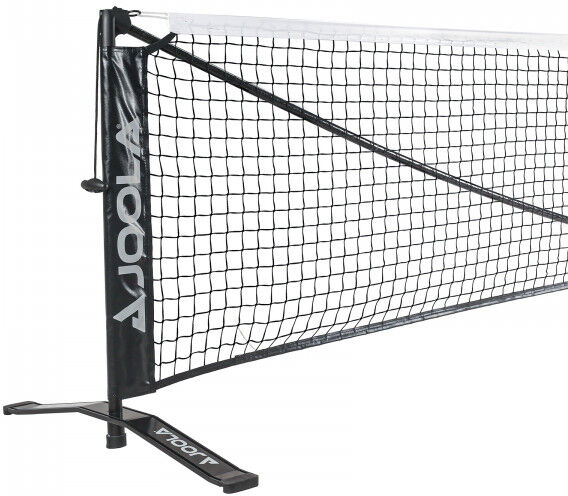
JOOLA Symmetry Pickleball NetThe JOOLA Symmetry Pickleball Net is quick to set up, easy to move, and built to last. It assembles in under five minutes with no tricky parts or confusing instructions, so you can get straight to playing. The true tensioning system keeps it at official regulation height, so there’s no need for...349,00 £*Shipping: 0,00 £Secure redirect to the provider
-
What types of symmetry are there: point symmetry, axis symmetry, or no symmetry?
There are three types of symmetry: point symmetry, axis symmetry, and no symmetry. Point symmetry occurs when an object can be rotated 180 degrees around a central point and still look the same. Axis symmetry, also known as reflection symmetry, occurs when an object can be reflected across a line and still look the same. No symmetry means that the object does not have any regular repeating pattern or axis of reflection. **
-
What is the difference between axis symmetry, axis of symmetry, rotational symmetry, and point symmetry?
Axis symmetry refers to the property of a shape being symmetrical with respect to an axis, meaning that if the shape is folded along the axis, the two halves will coincide. The axis of symmetry is the line along which the shape is symmetrical. Rotational symmetry refers to the property of a shape being able to be rotated by a certain angle and still look the same. Point symmetry refers to the property of a shape being symmetrical with respect to a central point, meaning that if the shape is rotated 180 degrees around the point, it will look the same. **
-
What function does the flower style serve for the flower?
The flower style serves as the female reproductive organ of the flower, playing a crucial role in the process of pollination and fertilization. It is the part of the flower that receives the pollen and allows for the transfer of the male gametes to the ovary, where fertilization takes place. The style also provides a pathway for the pollen tube to grow and deliver the male gametes to the ovule, ultimately leading to the formation of seeds. In addition to its reproductive function, the style often contributes to the overall aesthetic appeal of the flower. **
-
What are the similarities between axial symmetry and point symmetry?
Both axial symmetry and point symmetry involve the concept of symmetry in geometric shapes. In axial symmetry, an object is symmetrical if it can be divided into two equal halves by a line of symmetry. Similarly, in point symmetry, an object is symmetrical if it looks the same after being rotated 180 degrees around a central point. Both types of symmetry result in balanced and visually appealing shapes. **
Similar search terms for Stupell-Midcentury-Flower-Symmetry
-
What is the difference between point symmetry and rotational symmetry?
Point symmetry occurs when a figure looks the same after being rotated 180 degrees around a central point, while rotational symmetry occurs when a figure looks the same after being rotated a certain angle around a central point. In other words, point symmetry requires a 180-degree rotation to look the same, while rotational symmetry can occur with rotations of different angles. Additionally, point symmetry is a specific type of rotational symmetry, as it is a rotation of 180 degrees. **
-
What is the difference between axis symmetry and point symmetry?
Axis symmetry refers to a shape or object being symmetrical with respect to an axis, meaning that if you were to fold the shape along the axis, the two halves would perfectly overlap. Point symmetry, on the other hand, refers to a shape or object being symmetrical with respect to a single point, meaning that if you were to rotate the shape 180 degrees around that point, it would look the same. In essence, axis symmetry involves reflection across a line, while point symmetry involves rotation around a point. **
-
Which flower suits my fashion project in botany?
The flower that would suit your fashion project in botany would depend on the specific theme and aesthetic you are aiming for. If you are going for a romantic and delicate look, you might consider using roses or peonies. For a more bold and vibrant style, you could incorporate sunflowers or dahlias. If you are looking for a more exotic and unique feel, you might want to consider using orchids or proteas. Ultimately, the choice of flower should complement and enhance the overall concept of your fashion project. **
-
Point or axis symmetry?
Point symmetry occurs when a figure can be rotated 180 degrees around a central point and still look the same. Axis symmetry, on the other hand, occurs when a figure can be reflected across a line and still look the same. Point symmetry is less common in geometric figures compared to axis symmetry. **
* All prices are inclusive of VAT and, if applicable, plus shipping costs. The offer information is based on the details provided by the respective shop and is updated through automated processes. Real-time updates do not occur, so deviations can occur in individual cases. ** Note: Parts of this content were created by AI.