Buy modelplac.eu ?
We are moving the project
modelplac.eu .
Are you interested in purchasing the domain
modelplac.eu ?
domain@kv-gmbh.de · 0541-91531010
Buy modelplac.eu ?
What are guard cells and stomata?
Guard cells are specialized cells found in the epidermis of plant leaves that surround and control the opening and closing of tiny pores called stomata. Stomata are small openings on the surface of leaves that allow for the exchange of gases such as carbon dioxide and oxygen, as well as the release of water vapor during transpiration. Guard cells regulate the opening and closing of stomata in response to environmental factors such as light intensity, humidity, and carbon dioxide levels to help plants maintain proper gas exchange and water balance. **
Why do mesophytes have small stomata?
Mesophytes have small stomata to regulate water loss through transpiration. By having smaller stomata, mesophytes can control the amount of water vapor that escapes from their leaves, helping them to conserve water in environments where water availability may be limited. Additionally, smaller stomata reduce the risk of desiccation in dry conditions, allowing mesophytes to thrive in a variety of habitats. **


Similar search terms for Stomata
Top-Angebote
Products related to Stomata:
-
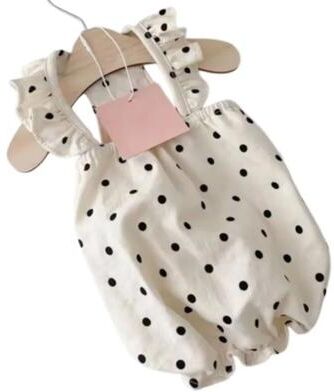
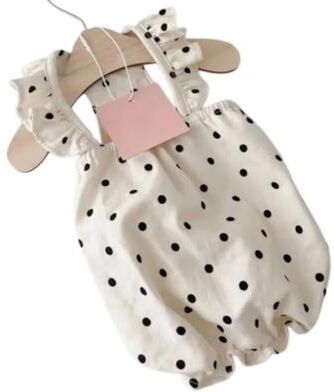
Uplifted Finds Summer Polka Dot Fashion Pet Apparel xlElevate your pet's seasonal wardrobe with the Summer PolkaDot Fashion Outfit. Available as either a charming pupskirt or a sleek, thin shirt, this collection is designed for the fashionforward pet who wants to stay cool while looking sweet. Crafted...45,97 $*Shipping: 0,00 $Secure redirect to the provider
-
Uplifted Finds Summer Polka Dot Fashion Pet Apparel mElevate your pet's seasonal wardrobe with the Summer PolkaDot Fashion Outfit. Available as either a charming pupskirt or a sleek, thin shirt, this collection is designed for the fashionforward pet who wants to stay cool while looking sweet. Crafted...45,97 $*Shipping: 0,00 $Secure redirect to the provider

-
Why do stomata close at midday?
Stomata close at midday to prevent excessive water loss through transpiration. During the hottest part of the day, the plant can lose a significant amount of water through open stomata, which can lead to dehydration and wilting. By closing the stomata, the plant can conserve water and maintain its turgidity, allowing it to survive the heat and dry conditions. Additionally, closing the stomata can also help to regulate the exchange of gases, such as carbon dioxide and oxygen, within the plant. **
-
What are stomata in plants in biology?
Stomata are small pores found on the surface of plant leaves and stems that are responsible for gas exchange. They allow for the uptake of carbon dioxide for photosynthesis and the release of oxygen and water vapor. Stomata are surrounded by specialized cells called guard cells, which control the opening and closing of the pores to regulate the exchange of gases and the loss of water through transpiration. This process is crucial for the survival and growth of plants. **
-
Why are the stomata located underneath the leaf?
Stomata are located underneath the leaf to reduce water loss through transpiration. Placing the stomata on the underside of the leaf helps to minimize exposure to direct sunlight and wind, which can increase water loss. Additionally, having the stomata on the underside of the leaf helps to protect them from potential damage and blockage by dust and other particles. This positioning also allows for better control of gas exchange and helps to maintain the internal water balance of the plant. **
-
Are dry plants hydrophilic and do they have sunken stomata?
Dry plants are not hydrophilic, as they do not have a strong affinity for water. In fact, they often have adaptations to conserve water, such as waxy cuticles and reduced stomata. Additionally, dry plants may have sunken stomata, which helps to reduce water loss by creating a barrier between the stomata and the external environment. These adaptations are important for the survival of dry plants in arid environments. **

Why do aquatic plants have their stomata on top, moist plants on top, adaptable plants on the bottom, and dry plants have sunken stomata?
Aquatic plants have their stomata on top to facilitate gas exchange with the surrounding water. Moist plants have stomata on top to prevent excessive water loss and maintain a moist environment for photosynthesis. Adaptable plants have stomata on the bottom to regulate water loss and gas exchange based on environmental conditions. Dry plants have sunken stomata to reduce water loss through evaporation and protect the stomata from drying out in arid conditions. **
Why do water plants have their stomata on top, moist plants on top, adaptable plants on the bottom, and dry plants have sunken stomata?
Water plants have their stomata on top to prevent water loss and allow for efficient gas exchange with the atmosphere. Moist plants have their stomata on top to take advantage of the moist air and reduce water loss. Adaptable plants have their stomata on the bottom to minimize water loss and adapt to varying environmental conditions. Dry plants have sunken stomata to reduce water loss and protect the stomata from drying out in arid conditions. Each type of plant has evolved to have stomata placement that best suits their specific environmental needs. **
Top-Angebote
Products related to Stomata:
-
Rainbow High My Fashion Style Iris 11-Inch Fashion Doll with Red Outfit and Accessories for KidsBring bold colour and imaginative storytelling to playtime with Rainbow High's My Fashion Style Iris. This 11-inch fashion doll features Iris's rainbow-highlighted high ponytail and a bright statement outfit, perfect for styling adventures, friendship stories, and display. Key features include an articulated design that allows Iris to stand, sit, and strike different poses, as well as detailed features like long eyelashes, glass-effect eyes, and rainbow hair highlights. The doll comes dressed in a red top with a colourful satin scarf and wrap-style skirt, and includes coordinating shoes and a handbag. Outfits can be mixed and matched with other dolls from the My Fashion Style range. The set contains one Rainbow High Iris fashion doll, one complete outfit, shoes, and a handbag. Iris measures 11 inches tall and is suitable for children aged four years and over.16,99 £*Shipping: 1,99 £Secure redirect to the provider
-
Multicon Wholesale Hub Cigar Glass On Top Cups Drinkware Glass For Whiskey, Tiki Fashion Tumbler Accessories, Crystal Design Cigar Glass On Top Cups Drinkware Glass For Whiskey, Tiki Fashion Tumbler Accessories, Crystal DesignElevate your sipping ritual with this Drinkware Glass for Whiskey, designed for those who appreciate craftsmanship, style, and indulgence in every detail. This elegant glass combines function and luxury by seamlessly pairing your favorite whiskey...79,97 $*Shipping: 0,00 $Secure redirect to the provider
-
Uplifted Finds Summer Polka Dot Fashion Pet Apparel xlElevate your pet's seasonal wardrobe with the Summer PolkaDot Fashion Outfit. Available as either a charming pupskirt or a sleek, thin shirt, this collection is designed for the fashionforward pet who wants to stay cool while looking sweet. Crafted...45,97 $*Shipping: 0,00 $Secure redirect to the provider
-
What are guard cells and stomata?
Guard cells are specialized cells found in the epidermis of plant leaves that surround and control the opening and closing of tiny pores called stomata. Stomata are small openings on the surface of leaves that allow for the exchange of gases such as carbon dioxide and oxygen, as well as the release of water vapor during transpiration. Guard cells regulate the opening and closing of stomata in response to environmental factors such as light intensity, humidity, and carbon dioxide levels to help plants maintain proper gas exchange and water balance. **
-
Why do mesophytes have small stomata?
Mesophytes have small stomata to regulate water loss through transpiration. By having smaller stomata, mesophytes can control the amount of water vapor that escapes from their leaves, helping them to conserve water in environments where water availability may be limited. Additionally, smaller stomata reduce the risk of desiccation in dry conditions, allowing mesophytes to thrive in a variety of habitats. **
-
Why do stomata close at midday?
Stomata close at midday to prevent excessive water loss through transpiration. During the hottest part of the day, the plant can lose a significant amount of water through open stomata, which can lead to dehydration and wilting. By closing the stomata, the plant can conserve water and maintain its turgidity, allowing it to survive the heat and dry conditions. Additionally, closing the stomata can also help to regulate the exchange of gases, such as carbon dioxide and oxygen, within the plant. **
-
What are stomata in plants in biology?
Stomata are small pores found on the surface of plant leaves and stems that are responsible for gas exchange. They allow for the uptake of carbon dioxide for photosynthesis and the release of oxygen and water vapor. Stomata are surrounded by specialized cells called guard cells, which control the opening and closing of the pores to regulate the exchange of gases and the loss of water through transpiration. This process is crucial for the survival and growth of plants. **
Similar search terms for Stomata
-
Uplifted Finds Summer Polka Dot Fashion Pet Apparel mElevate your pet's seasonal wardrobe with the Summer PolkaDot Fashion Outfit. Available as either a charming pupskirt or a sleek, thin shirt, this collection is designed for the fashionforward pet who wants to stay cool while looking sweet. Crafted...45,97 $*Shipping: 0,00 $Secure redirect to the provider
-
Uplifted Finds Summer Polka Dot Fashion Pet Apparel lElevate your pet's seasonal wardrobe with the Summer PolkaDot Fashion Outfit. Available as either a charming pupskirt or a sleek, thin shirt, this collection is designed for the fashionforward pet who wants to stay cool while looking sweet. Crafted...45,97 $*Shipping: 0,00 $Secure redirect to the provider
-
Uplifted Finds Summer Polka Dot Fashion Pet Apparel xsElevate your pet's seasonal wardrobe with the Summer PolkaDot Fashion Outfit. Available as either a charming pupskirt or a sleek, thin shirt, this collection is designed for the fashionforward pet who wants to stay cool while looking sweet. Crafted...45,97 $*Shipping: 0,00 $Secure redirect to the provider
-
Why are the stomata located underneath the leaf?
Stomata are located underneath the leaf to reduce water loss through transpiration. Placing the stomata on the underside of the leaf helps to minimize exposure to direct sunlight and wind, which can increase water loss. Additionally, having the stomata on the underside of the leaf helps to protect them from potential damage and blockage by dust and other particles. This positioning also allows for better control of gas exchange and helps to maintain the internal water balance of the plant. **
-
Are dry plants hydrophilic and do they have sunken stomata?
Dry plants are not hydrophilic, as they do not have a strong affinity for water. In fact, they often have adaptations to conserve water, such as waxy cuticles and reduced stomata. Additionally, dry plants may have sunken stomata, which helps to reduce water loss by creating a barrier between the stomata and the external environment. These adaptations are important for the survival of dry plants in arid environments. **
-
Why do aquatic plants have their stomata on top, moist plants on top, adaptable plants on the bottom, and dry plants have sunken stomata?
Aquatic plants have their stomata on top to facilitate gas exchange with the surrounding water. Moist plants have stomata on top to prevent excessive water loss and maintain a moist environment for photosynthesis. Adaptable plants have stomata on the bottom to regulate water loss and gas exchange based on environmental conditions. Dry plants have sunken stomata to reduce water loss through evaporation and protect the stomata from drying out in arid conditions. **
-
Why do water plants have their stomata on top, moist plants on top, adaptable plants on the bottom, and dry plants have sunken stomata?
Water plants have their stomata on top to prevent water loss and allow for efficient gas exchange with the atmosphere. Moist plants have their stomata on top to take advantage of the moist air and reduce water loss. Adaptable plants have their stomata on the bottom to minimize water loss and adapt to varying environmental conditions. Dry plants have sunken stomata to reduce water loss and protect the stomata from drying out in arid conditions. Each type of plant has evolved to have stomata placement that best suits their specific environmental needs. **
* All prices are inclusive of VAT and, if applicable, plus shipping costs. The offer information is based on the details provided by the respective shop and is updated through automated processes. Real-time updates do not occur, so deviations can occur in individual cases. ** Note: Parts of this content were created by AI.