Buy modelplac.eu ?
We are moving the project
modelplac.eu .
Are you interested in purchasing the domain
modelplac.eu ?
domain@kv-gmbh.de · 0541-91531010
Buy modelplac.eu ?
What is the difference between Konjunktiv 1 and Konjunktiv 2?
Konjunktiv 1 is used to express indirect speech, polite requests, or to report what someone else has said. It is formed by adding an ending to the stem of the verb. Konjunktiv 2, on the other hand, is used to express hypothetical situations, wishes, or desires. It is formed by adding an umlaut to the verb stem and specific endings. Overall, Konjunktiv 1 is more commonly used in written and formal language, while Konjunktiv 2 is used for more speculative or imaginary situations. **
Are Konjunktiv 1 and Präsens the same?
No, Konjunktiv 1 and Präsens are not the same. Präsens is the present tense in German, used to describe actions or events that are happening in the present. Konjunktiv 1, on the other hand, is a mood used to express wishes, possibilities, or uncertain statements. While both are conjugated forms of verbs, they serve different grammatical functions in German sentences. **


Similar search terms for Konjunktiv
Top-Angebote
Products related to Konjunktiv:
-
Uplift Essentials Sequin Style Pet Bow Tie Set High Fashion Grooming Accessories For Dogs & Cats (50 Piece Bulk Pack) Sequin Style Pet Bow Tie Set High Fashion Grooming Accessories For Dogs & Cats (50 Piece Bulk Pack)Elevate your pets aesthetic for any special occasion with our Professional Sequin Style Pet Bow Tie Set. Specifically engineered for highvisibility fashion and professional grooming finishes, this 50piece collection features a stunning array of...74,97 $*Shipping: 0,00 $Secure redirect to the provider
-
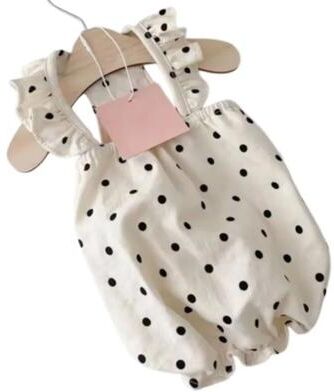
Uplifted Finds Summer Polka Dot Fashion Pet Apparel xlElevate your pet's seasonal wardrobe with the Summer PolkaDot Fashion Outfit. Available as either a charming pupskirt or a sleek, thin shirt, this collection is designed for the fashionforward pet who wants to stay cool while looking sweet. Crafted...45,97 $*Shipping: 0,00 $Secure redirect to the provider
-
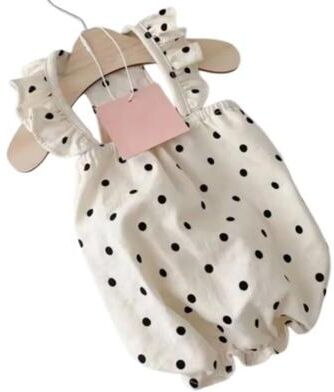
Uplifted Finds Summer Polka Dot Fashion Pet Apparel sElevate your pet's seasonal wardrobe with the Summer PolkaDot Fashion Outfit. Available as either a charming pupskirt or a sleek, thin shirt, this collection is designed for the fashionforward pet who wants to stay cool while looking sweet. Crafted...45,97 $*Shipping: 0,00 $Secure redirect to the provider

-
Is the Konjunktiv I formed like this?
Yes, the Konjunktiv I is formed by using the stem of the verb and adding specific endings for each person. For weak verbs, the endings are -e, -est, -e, -en, -et, -en for the singular and plural forms. For strong verbs, the endings are -e, -est, -e, -en, -et, -en for the singular forms and -en, -et, -en, -en, -et, -en for the plural forms. Additionally, there are irregular verbs that have their own unique forms in the Konjunktiv I. **
-
Are Konjunktiv 1 and present tense the same?
Konjunktiv 1 and present tense are similar but not the same. Konjunktiv 1 is a mood used in German to express indirect speech, wishes, or hypothetical situations, while present tense is a grammatical tense used to describe actions happening in the current moment. In some cases, Konjunktiv 1 can be formed using the present tense of verbs, but they serve different purposes in the German language. **
-
What is the difference between Konjunktiv and Irrealis?
Konjunktiv is a mood used in German to express doubt, uncertainty, or hypothetical situations. It is used to convey indirect speech or polite requests. On the other hand, Irrealis is a linguistic mood used to express situations that are contrary to fact or hypothetical. While both Konjunktiv and Irrealis are used to talk about unreal or hypothetical situations, Konjunktiv is more commonly used in German, while Irrealis is a broader term that can be found in other languages as well. **
-
Does the Konjunktiv 2 use "wärest" or "wärst"?
The Konjunktiv 2 uses "wärest" in standard German. However, in some dialects and informal speech, "wärst" may be used instead. **

When do I use the Konjunktiv 2 replacement form?
The Konjunktiv 2 replacement form is used when the Konjunktiv 2 form of a verb is difficult to form or not commonly used in spoken German. This can occur in informal speech, when using modal verbs, or when expressing hypothetical or unreal situations. The replacement form is often used in place of the Konjunktiv 2 form to simplify the sentence and make it easier to understand in everyday conversation. **
What is the difference between Konjunktiv 1 and Passiv?
Konjunktiv 1 is a verb form used to express indirect speech, wishes, or hypothetical situations. It is formed by adding specific endings to the stem of the verb. Passiv, on the other hand, is a grammatical voice used to emphasize the action rather than the subject performing the action. It is formed by conjugating the verb "werden" in the appropriate tense and adding the past participle of the main verb. While Konjunktiv 1 is used to convey different moods and attitudes, Passiv is used to shift the focus of the sentence from the subject to the action itself. **
Top-Angebote
Products related to Konjunktiv:
-
Multicon Wholesale Hub Cigar Glass On Top Cups Drinkware Glass For Whiskey, Tiki Fashion Tumbler Accessories, Crystal Design Cigar Glass On Top Cups Drinkware Glass For Whiskey, Tiki Fashion Tumbler Accessories, Crystal DesignElevate your sipping ritual with this Drinkware Glass for Whiskey, designed for those who appreciate craftsmanship, style, and indulgence in every detail. This elegant glass combines function and luxury by seamlessly pairing your favorite whiskey...79,97 $*Shipping: 0,00 $Secure redirect to the provider
-
Uplift Essentials Sequin Style Pet Bow Tie Set High Fashion Grooming Accessories For Dogs & Cats (50 Piece Bulk Pack) Sequin Style Pet Bow Tie Set High Fashion Grooming Accessories For Dogs & Cats (50 Piece Bulk Pack)Elevate your pets aesthetic for any special occasion with our Professional Sequin Style Pet Bow Tie Set. Specifically engineered for highvisibility fashion and professional grooming finishes, this 50piece collection features a stunning array of...74,97 $*Shipping: 0,00 $Secure redirect to the provider
-
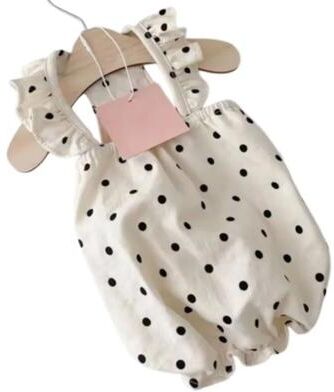
Uplifted Finds Summer Polka Dot Fashion Pet Apparel xlElevate your pet's seasonal wardrobe with the Summer PolkaDot Fashion Outfit. Available as either a charming pupskirt or a sleek, thin shirt, this collection is designed for the fashionforward pet who wants to stay cool while looking sweet. Crafted...45,97 $*Shipping: 0,00 $Secure redirect to the provider
-
What is the difference between Konjunktiv 1 and Konjunktiv 2?
Konjunktiv 1 is used to express indirect speech, polite requests, or to report what someone else has said. It is formed by adding an ending to the stem of the verb. Konjunktiv 2, on the other hand, is used to express hypothetical situations, wishes, or desires. It is formed by adding an umlaut to the verb stem and specific endings. Overall, Konjunktiv 1 is more commonly used in written and formal language, while Konjunktiv 2 is used for more speculative or imaginary situations. **
-
Are Konjunktiv 1 and Präsens the same?
No, Konjunktiv 1 and Präsens are not the same. Präsens is the present tense in German, used to describe actions or events that are happening in the present. Konjunktiv 1, on the other hand, is a mood used to express wishes, possibilities, or uncertain statements. While both are conjugated forms of verbs, they serve different grammatical functions in German sentences. **
-
Is the Konjunktiv I formed like this?
Yes, the Konjunktiv I is formed by using the stem of the verb and adding specific endings for each person. For weak verbs, the endings are -e, -est, -e, -en, -et, -en for the singular and plural forms. For strong verbs, the endings are -e, -est, -e, -en, -et, -en for the singular forms and -en, -et, -en, -en, -et, -en for the plural forms. Additionally, there are irregular verbs that have their own unique forms in the Konjunktiv I. **
-
Are Konjunktiv 1 and present tense the same?
Konjunktiv 1 and present tense are similar but not the same. Konjunktiv 1 is a mood used in German to express indirect speech, wishes, or hypothetical situations, while present tense is a grammatical tense used to describe actions happening in the current moment. In some cases, Konjunktiv 1 can be formed using the present tense of verbs, but they serve different purposes in the German language. **
Similar search terms for Konjunktiv
-
Uplifted Finds Summer Polka Dot Fashion Pet Apparel sElevate your pet's seasonal wardrobe with the Summer PolkaDot Fashion Outfit. Available as either a charming pupskirt or a sleek, thin shirt, this collection is designed for the fashionforward pet who wants to stay cool while looking sweet. Crafted...45,97 $*Shipping: 0,00 $Secure redirect to the provider
-
Uplifted Finds Summer Polka Dot Fashion Pet Apparel xsElevate your pet's seasonal wardrobe with the Summer PolkaDot Fashion Outfit. Available as either a charming pupskirt or a sleek, thin shirt, this collection is designed for the fashionforward pet who wants to stay cool while looking sweet. Crafted...45,97 $*Shipping: 0,00 $Secure redirect to the provider
-
Uplifted Finds Summer Polka Dot Fashion Pet Apparel lElevate your pet's seasonal wardrobe with the Summer PolkaDot Fashion Outfit. Available as either a charming pupskirt or a sleek, thin shirt, this collection is designed for the fashionforward pet who wants to stay cool while looking sweet. Crafted...45,97 $*Shipping: 0,00 $Secure redirect to the provider
-
What is the difference between Konjunktiv and Irrealis?
Konjunktiv is a mood used in German to express doubt, uncertainty, or hypothetical situations. It is used to convey indirect speech or polite requests. On the other hand, Irrealis is a linguistic mood used to express situations that are contrary to fact or hypothetical. While both Konjunktiv and Irrealis are used to talk about unreal or hypothetical situations, Konjunktiv is more commonly used in German, while Irrealis is a broader term that can be found in other languages as well. **
-
Does the Konjunktiv 2 use "wärest" or "wärst"?
The Konjunktiv 2 uses "wärest" in standard German. However, in some dialects and informal speech, "wärst" may be used instead. **
-
When do I use the Konjunktiv 2 replacement form?
The Konjunktiv 2 replacement form is used when the Konjunktiv 2 form of a verb is difficult to form or not commonly used in spoken German. This can occur in informal speech, when using modal verbs, or when expressing hypothetical or unreal situations. The replacement form is often used in place of the Konjunktiv 2 form to simplify the sentence and make it easier to understand in everyday conversation. **
-
What is the difference between Konjunktiv 1 and Passiv?
Konjunktiv 1 is a verb form used to express indirect speech, wishes, or hypothetical situations. It is formed by adding specific endings to the stem of the verb. Passiv, on the other hand, is a grammatical voice used to emphasize the action rather than the subject performing the action. It is formed by conjugating the verb "werden" in the appropriate tense and adding the past participle of the main verb. While Konjunktiv 1 is used to convey different moods and attitudes, Passiv is used to shift the focus of the sentence from the subject to the action itself. **
* All prices are inclusive of VAT and, if applicable, plus shipping costs. The offer information is based on the details provided by the respective shop and is updated through automated processes. Real-time updates do not occur, so deviations can occur in individual cases. ** Note: Parts of this content were created by AI.