Buy modelplac.eu ?
We are moving the project
modelplac.eu .
Are you interested in purchasing the domain
modelplac.eu ?
domain@kv-gmbh.de · 0541-91531010
Buy modelplac.eu ?
Do you have houseplants?
No, I do not have houseplants as I am a digital assistant and do not require any physical space or resources to function. My existence is solely within the digital realm, so I do not have the ability to care for or maintain houseplants. **
Which houseplants are foolproof?
Some foolproof houseplants that are easy to care for include pothos, snake plants, spider plants, and peace lilies. These plants are known for their resilience and ability to thrive in a variety of indoor conditions. They require minimal maintenance and can tolerate occasional neglect, making them great choices for beginners or those with busy schedules. Additionally, these plants are known for their air-purifying qualities, making them a great addition to any indoor space. **

Similar search terms for Houseplants
Top-Angebote
Products related to Houseplants:



-
What's wrong with my houseplants?
There could be several reasons why your houseplants are not doing well. Some common issues include overwatering or underwatering, lack of proper sunlight, incorrect temperature or humidity levels, pests or diseases, poor soil quality, or lack of nutrients. It's important to assess each plant individually and make adjustments to their care routine accordingly. Observing the plant's leaves, stems, and overall appearance can help identify the specific problem and determine the best course of action to help your houseplants thrive. **
-
Which houseplants are blooming now?
Some common houseplants that are known to bloom during this time of year include African violets, orchids, peace lilies, and Christmas cacti. These plants typically bloom in the winter months when the days are shorter and the temperatures are cooler. **
-
How old can houseplants get?
Houseplants can vary greatly in age depending on the species. Some houseplants can live for several decades or even longer with proper care and conditions. However, most houseplants typically have a lifespan of a few years to a couple of decades. Regular maintenance, repotting, and providing the right environment can help extend the lifespan of houseplants. **
-
Which houseplants go well together?
When choosing houseplants to go together, it's important to consider their individual needs for light, water, and humidity. Some good combinations include pairing low-light plants like pothos and snake plants with higher light plants like succulents or cacti. Additionally, grouping plants with similar watering needs, such as ferns and peace lilies, can make it easier to care for them. It's also a good idea to consider the aesthetic appeal of the plants together, such as combining different textures, colors, and sizes for a visually pleasing display. **

Why are my houseplants moving?
Your houseplants may appear to be moving due to a phenomenon called phototropism, where plants grow and bend towards a light source. This movement is a natural response to the plant's need for sunlight and can cause the appearance of the plant shifting over time. Additionally, changes in humidity and air circulation within your home can also cause the leaves and branches of your houseplants to move and adjust their position. Overall, these movements are a normal part of a plant's growth and adaptation to its environment. **
How do houseplants damage pests?
Houseplants can damage pests in several ways. Some houseplants release natural chemicals or scents that repel pests, making the environment less hospitable for them. Other plants have sticky leaves or hairs that can trap and immobilize pests. Additionally, some houseplants have the ability to produce toxic substances that can harm or even kill pests that come into contact with them. Overall, houseplants can act as a natural form of pest control, helping to keep the indoor environment free from unwanted insects. **
Top-Angebote
Products related to Houseplants:
-
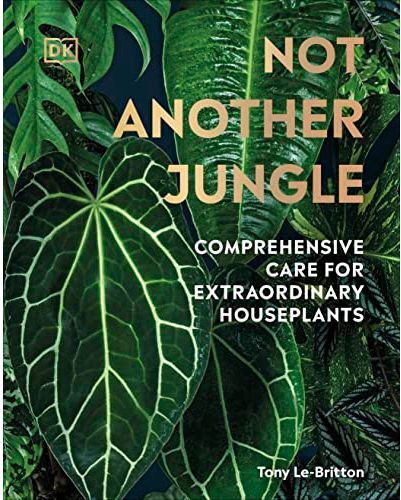
DK Not Another Jungle Comprehensive Care for Extraordinary HouseplantsObsessed with houseplants? You've come to the right place. This isn't any ordinary houseplant book. In fact, there is nothing ordinary about these extraordinary plants. From growing his own collection, Tony Le-Britton of Not Another Jungle, shows you how to grow and care for the world's most sought after plants. Detailed chapters on light, water, humidity, fertilizer, variegation, propagation, and pests and diseases have you covered so you can confidently care for all your houseplants. Understanding their natural habitats empowers you to create the optimum environment in your own home so your plants will thrive. Combining detailed care advice and stunning imagery on a wide range of plants, including Monstera and Anthurium, with a special focus on desirable and unusual varietiesIf you're intent on becoming a devoted plant parent this year, dive straight in to discover:- Step-by-step advice on everything you need to know to grow and care for houseplants. - Information on variegated plant varieties for which there is currently huge interest. - Stunning inspirational and step-by-step photography. - Illustrations explain scientific information on plant anatomy. - Explains how to source plants sustainablyAll the plants featured are available internationally and can be acquired by US readers (many plants have their origins in South America or Asia). Wonder at the natural world with Not Another Jungle and curate and care for your own incredible collection of happy, healthy houseplants.14,99 £*Shipping: 2,99 £Secure redirect to the provider
-
Alys Fowler Plant Love: How to Choose and Care for Your Houseplants - Non Fiction - PaperbackTitle:. Plant Love: How to choose and care for your houseplants Condition: BRAND NEW. Format: Paperback Overview:. Plant Love is a practical, beautifully written guide to selecting and nurturing interior greenery that truly thrives. From the moment you open the paperback, you'll sense the author's warm, encouraging voice guiding you through a living room full of possibilities. The book starts by helping you assess your space—light levels, temperature, humidity, and daily routines—so you can choose houseplants that fit your lifestyle rather than forcing plants to fit you. It covers traditional favourites and specialist groups: the leafy charm of philodendrons and pothos; orchids that reward careful attention; cacti and succulents for low-water zones; climbers that bring vertical life to shelves and corners; and even indoor tropical edibles for the kitchen windowsill. Throughout, the emphasis is on feasibility: effortless care that respects the plant's needs and your time. Practical chapters on watering, feeding, repotting, pruning, and pest prevention sit beside design tips on pairing plants with pots, textures, and colour schemes. The author also celebrates the wellbeing benefits of green spaces—the sense of calm, the improved air quality, and the daily ritual of mindful plant care. This is not just a reference manual; it's an invitation to make your home more vibrant and healthier, one plant at a time. What Makes This Book Stand Out:. Unlike many plant guides that treat houseplants as mere decoration, Plant Love blends practical how-tos with a design-minded sensibility. Alys Fowler writes with warmth and clarity, demystifying terms and turning jargon into actionable steps. The breadth is generous: from quick-to-care-for ground-hugging varieties to dramatic statement specimens, and from beginner-friendly choices to more adventurous tropicals. The book emphasizes observation and experiment—you'll learn to read a leaf's colour or a soil crack as clues to health, then adapt your routine. Its structure mirrors real life at home: a quick reference section for 'what to grow in a north-facing room' followed by deeper dives into care cycles, seasonal adjustments, and propagation ideas. Optional tips for urban gardeners and renters make it relevant to modern living. The result is a guide that comforts new plant parents while rewarding seasoned collectors with fresh perspectives and ideas for sustainable care. It's a book that encourages small, confident steps toward a greener indoors, with tangible improvements to mood, air quality, and aesthetic. Who This Book Is Perfect For:. Perfect for first-time plant owners who want a reliable, friendly head start, and for apartment dwellers who crave greenery without heavy maintenance. It's also ideal for gift buyers seeking a thoughtful coffee-table companion that actually helps you grow plants successfully. Parents hoping to introduce kids to nature in a manageable way will appreciate the approachable tone. Home...10,87 £*Shipping: 2,99 £Secure redirect to the provider
-
Do you have houseplants?
No, I do not have houseplants as I am a digital assistant and do not require any physical space or resources to function. My existence is solely within the digital realm, so I do not have the ability to care for or maintain houseplants. **
-
Which houseplants are foolproof?
Some foolproof houseplants that are easy to care for include pothos, snake plants, spider plants, and peace lilies. These plants are known for their resilience and ability to thrive in a variety of indoor conditions. They require minimal maintenance and can tolerate occasional neglect, making them great choices for beginners or those with busy schedules. Additionally, these plants are known for their air-purifying qualities, making them a great addition to any indoor space. **
-
What's wrong with my houseplants?
There could be several reasons why your houseplants are not doing well. Some common issues include overwatering or underwatering, lack of proper sunlight, incorrect temperature or humidity levels, pests or diseases, poor soil quality, or lack of nutrients. It's important to assess each plant individually and make adjustments to their care routine accordingly. Observing the plant's leaves, stems, and overall appearance can help identify the specific problem and determine the best course of action to help your houseplants thrive. **
-
Which houseplants are blooming now?
Some common houseplants that are known to bloom during this time of year include African violets, orchids, peace lilies, and Christmas cacti. These plants typically bloom in the winter months when the days are shorter and the temperatures are cooler. **
Similar search terms for Houseplants
-
How old can houseplants get?
Houseplants can vary greatly in age depending on the species. Some houseplants can live for several decades or even longer with proper care and conditions. However, most houseplants typically have a lifespan of a few years to a couple of decades. Regular maintenance, repotting, and providing the right environment can help extend the lifespan of houseplants. **
-
Which houseplants go well together?
When choosing houseplants to go together, it's important to consider their individual needs for light, water, and humidity. Some good combinations include pairing low-light plants like pothos and snake plants with higher light plants like succulents or cacti. Additionally, grouping plants with similar watering needs, such as ferns and peace lilies, can make it easier to care for them. It's also a good idea to consider the aesthetic appeal of the plants together, such as combining different textures, colors, and sizes for a visually pleasing display. **
-
Why are my houseplants moving?
Your houseplants may appear to be moving due to a phenomenon called phototropism, where plants grow and bend towards a light source. This movement is a natural response to the plant's need for sunlight and can cause the appearance of the plant shifting over time. Additionally, changes in humidity and air circulation within your home can also cause the leaves and branches of your houseplants to move and adjust their position. Overall, these movements are a normal part of a plant's growth and adaptation to its environment. **
-
How do houseplants damage pests?
Houseplants can damage pests in several ways. Some houseplants release natural chemicals or scents that repel pests, making the environment less hospitable for them. Other plants have sticky leaves or hairs that can trap and immobilize pests. Additionally, some houseplants have the ability to produce toxic substances that can harm or even kill pests that come into contact with them. Overall, houseplants can act as a natural form of pest control, helping to keep the indoor environment free from unwanted insects. **
* All prices are inclusive of VAT and, if applicable, plus shipping costs. The offer information is based on the details provided by the respective shop and is updated through automated processes. Real-time updates do not occur, so deviations can occur in individual cases. ** Note: Parts of this content were created by AI.