Buy modelplac.eu ?
We are moving the project
modelplac.eu .
Are you interested in purchasing the domain
modelplac.eu ?
domain@kv-gmbh.de · 0541-91531010
Buy modelplac.eu ?
Why do homeothermic animals hibernate?
Homeothermic animals hibernate as a survival strategy to conserve energy and resources during periods of food scarcity and harsh environmental conditions, such as winter. By entering a state of reduced metabolic activity and lowering their body temperature, homeothermic animals can slow down their physiological processes and survive on stored fat reserves. This allows them to endure long periods without food and minimize their energy expenditure until more favorable conditions return. Hibernation also helps homeothermic animals avoid predators and reduce their risk of exposure to extreme weather. **
What does homeothermic and poikilothermic mean?
Homeothermic refers to animals that can maintain a relatively constant body temperature, regardless of external environmental conditions. This is typically achieved through internal physiological processes such as shivering or sweating. Poikilothermic, on the other hand, refers to animals whose body temperature fluctuates with the temperature of their environment. These animals rely on external sources of heat, such as the sun, to regulate their body temperature. **


Similar search terms for Homeothermic
Top-Angebote
Products related to Homeothermic:
-
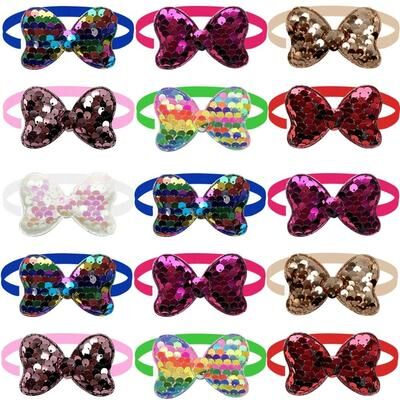
Uplift Essentials Sequin Style Pet Bow Tie Set High Fashion Grooming Accessories For Dogs & Cats (50 Piece Bulk Pack) Sequin Style Pet Bow Tie Set High Fashion Grooming Accessories For Dogs & Cats (50 Piece Bulk Pack)Elevate your pets aesthetic for any special occasion with our Professional Sequin Style Pet Bow Tie Set. Specifically engineered for highvisibility fashion and professional grooming finishes, this 50piece collection features a stunning array of...74,97 $*Shipping: 0,00 $Secure redirect to the provider
-
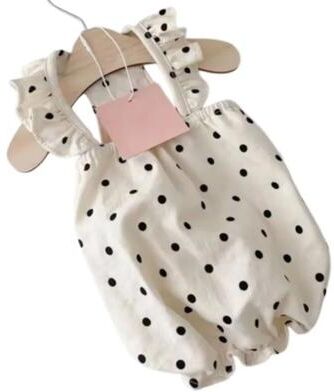
Uplifted Finds Summer Polka Dot Fashion Pet Apparel xlElevate your pet's seasonal wardrobe with the Summer PolkaDot Fashion Outfit. Available as either a charming pupskirt or a sleek, thin shirt, this collection is designed for the fashionforward pet who wants to stay cool while looking sweet. Crafted...45,97 $*Shipping: 0,00 $Secure redirect to the provider
-
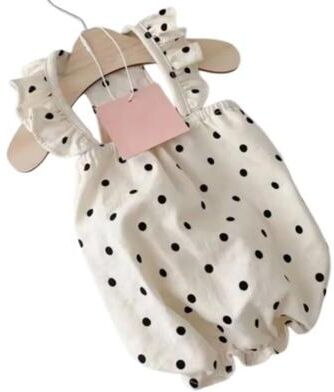
Uplifted Finds Summer Polka Dot Fashion Pet Apparel sElevate your pet's seasonal wardrobe with the Summer PolkaDot Fashion Outfit. Available as either a charming pupskirt or a sleek, thin shirt, this collection is designed for the fashionforward pet who wants to stay cool while looking sweet. Crafted...45,97 $*Shipping: 0,00 $Secure redirect to the provider
-
What are poikilothermic animals and homeothermic animals?
Poikilothermic animals are organisms whose internal body temperature fluctuates with the temperature of their environment. They are also known as cold-blooded animals. Examples of poikilothermic animals include reptiles, amphibians, and most fish. Homeothermic animals, on the other hand, are organisms that can maintain a relatively constant internal body temperature regardless of the external temperature. They are also known as warm-blooded animals. Mammals and birds are examples of homeothermic animals. **
-
Are desert foxes poikilothermic, homeothermic, or ectothermic animals?
Desert foxes are homeothermic animals, meaning they can regulate their body temperature internally and maintain a relatively constant temperature regardless of external conditions. This ability allows them to thrive in the extreme temperatures of the desert environment. Homeothermic animals, also known as warm-blooded animals, are able to maintain a stable body temperature through metabolic processes such as shivering or sweating. **
-
What is the difference between poikilothermic and homeothermic?
Poikilothermic organisms, such as reptiles and amphibians, have body temperatures that fluctuate with the temperature of their environment. In contrast, homeothermic organisms, like mammals and birds, are able to maintain a relatively constant internal body temperature regardless of the external environment. This ability to regulate body temperature allows homeothermic organisms to be more active in a wider range of environmental conditions compared to poikilothermic organisms. **
-
What is the difference between homeothermic and poikilothermic animals?
Homeothermic animals are able to regulate their body temperature internally, maintaining a relatively constant temperature regardless of external conditions. Poikilothermic animals, on the other hand, rely on their environment to regulate their body temperature and their internal temperature fluctuates with the external temperature. Homeothermic animals, such as mammals and birds, have higher metabolic rates and are able to maintain a more stable internal environment compared to poikilothermic animals, such as reptiles and amphibians. **

Why does Bergmann's rule not apply to homeothermic animals?
Bergmann's rule states that within a species, individuals in colder climates tend to be larger than those in warmer climates. This is thought to be an adaptation to help conserve heat in colder environments. However, this rule does not apply to homeothermic animals, which are able to regulate their own body temperature. Homeothermic animals can maintain a constant internal temperature regardless of external climate, so there is no need for them to adapt their body size in response to temperature variations. Therefore, Bergmann's rule is not relevant to homeothermic animals. **
What are the advantages of homeothermic animals, in this case bats in hibernation?
Homeothermic animals, such as bats in hibernation, have the advantage of being able to maintain a relatively constant body temperature regardless of external conditions. This allows them to conserve energy during periods of reduced food availability, such as winter. By maintaining a stable body temperature, homeothermic animals can also remain active and responsive to their environment, which is important for survival and reproductive success. Additionally, a stable body temperature helps to support essential physiological processes, such as immune function and metabolic activity, even during periods of reduced activity. **
Top-Angebote
Products related to Homeothermic:
-
Multicon Wholesale Hub Cigar Glass On Top Cups Drinkware Glass For Whiskey, Tiki Fashion Tumbler Accessories, Crystal Design Cigar Glass On Top Cups Drinkware Glass For Whiskey, Tiki Fashion Tumbler Accessories, Crystal DesignElevate your sipping ritual with this Drinkware Glass for Whiskey, designed for those who appreciate craftsmanship, style, and indulgence in every detail. This elegant glass combines function and luxury by seamlessly pairing your favorite whiskey...79,97 $*Shipping: 0,00 $Secure redirect to the provider
-
Uplift Essentials Sequin Style Pet Bow Tie Set High Fashion Grooming Accessories For Dogs & Cats (50 Piece Bulk Pack) Sequin Style Pet Bow Tie Set High Fashion Grooming Accessories For Dogs & Cats (50 Piece Bulk Pack)Elevate your pets aesthetic for any special occasion with our Professional Sequin Style Pet Bow Tie Set. Specifically engineered for highvisibility fashion and professional grooming finishes, this 50piece collection features a stunning array of...74,97 $*Shipping: 0,00 $Secure redirect to the provider
-
Uplifted Finds Summer Polka Dot Fashion Pet Apparel xlElevate your pet's seasonal wardrobe with the Summer PolkaDot Fashion Outfit. Available as either a charming pupskirt or a sleek, thin shirt, this collection is designed for the fashionforward pet who wants to stay cool while looking sweet. Crafted...45,97 $*Shipping: 0,00 $Secure redirect to the provider
-
Why do homeothermic animals hibernate?
Homeothermic animals hibernate as a survival strategy to conserve energy and resources during periods of food scarcity and harsh environmental conditions, such as winter. By entering a state of reduced metabolic activity and lowering their body temperature, homeothermic animals can slow down their physiological processes and survive on stored fat reserves. This allows them to endure long periods without food and minimize their energy expenditure until more favorable conditions return. Hibernation also helps homeothermic animals avoid predators and reduce their risk of exposure to extreme weather. **
-
What does homeothermic and poikilothermic mean?
Homeothermic refers to animals that can maintain a relatively constant body temperature, regardless of external environmental conditions. This is typically achieved through internal physiological processes such as shivering or sweating. Poikilothermic, on the other hand, refers to animals whose body temperature fluctuates with the temperature of their environment. These animals rely on external sources of heat, such as the sun, to regulate their body temperature. **
-
What are poikilothermic animals and homeothermic animals?
Poikilothermic animals are organisms whose internal body temperature fluctuates with the temperature of their environment. They are also known as cold-blooded animals. Examples of poikilothermic animals include reptiles, amphibians, and most fish. Homeothermic animals, on the other hand, are organisms that can maintain a relatively constant internal body temperature regardless of the external temperature. They are also known as warm-blooded animals. Mammals and birds are examples of homeothermic animals. **
-
Are desert foxes poikilothermic, homeothermic, or ectothermic animals?
Desert foxes are homeothermic animals, meaning they can regulate their body temperature internally and maintain a relatively constant temperature regardless of external conditions. This ability allows them to thrive in the extreme temperatures of the desert environment. Homeothermic animals, also known as warm-blooded animals, are able to maintain a stable body temperature through metabolic processes such as shivering or sweating. **
Similar search terms for Homeothermic
-
Uplifted Finds Summer Polka Dot Fashion Pet Apparel sElevate your pet's seasonal wardrobe with the Summer PolkaDot Fashion Outfit. Available as either a charming pupskirt or a sleek, thin shirt, this collection is designed for the fashionforward pet who wants to stay cool while looking sweet. Crafted...45,97 $*Shipping: 0,00 $Secure redirect to the provider
-
Uplifted Finds Summer Polka Dot Fashion Pet Apparel xsElevate your pet's seasonal wardrobe with the Summer PolkaDot Fashion Outfit. Available as either a charming pupskirt or a sleek, thin shirt, this collection is designed for the fashionforward pet who wants to stay cool while looking sweet. Crafted...45,97 $*Shipping: 0,00 $Secure redirect to the provider
-
Uplifted Finds Summer Polka Dot Fashion Pet Apparel lElevate your pet's seasonal wardrobe with the Summer PolkaDot Fashion Outfit. Available as either a charming pupskirt or a sleek, thin shirt, this collection is designed for the fashionforward pet who wants to stay cool while looking sweet. Crafted...45,97 $*Shipping: 0,00 $Secure redirect to the provider
-
What is the difference between poikilothermic and homeothermic?
Poikilothermic organisms, such as reptiles and amphibians, have body temperatures that fluctuate with the temperature of their environment. In contrast, homeothermic organisms, like mammals and birds, are able to maintain a relatively constant internal body temperature regardless of the external environment. This ability to regulate body temperature allows homeothermic organisms to be more active in a wider range of environmental conditions compared to poikilothermic organisms. **
-
What is the difference between homeothermic and poikilothermic animals?
Homeothermic animals are able to regulate their body temperature internally, maintaining a relatively constant temperature regardless of external conditions. Poikilothermic animals, on the other hand, rely on their environment to regulate their body temperature and their internal temperature fluctuates with the external temperature. Homeothermic animals, such as mammals and birds, have higher metabolic rates and are able to maintain a more stable internal environment compared to poikilothermic animals, such as reptiles and amphibians. **
-
Why does Bergmann's rule not apply to homeothermic animals?
Bergmann's rule states that within a species, individuals in colder climates tend to be larger than those in warmer climates. This is thought to be an adaptation to help conserve heat in colder environments. However, this rule does not apply to homeothermic animals, which are able to regulate their own body temperature. Homeothermic animals can maintain a constant internal temperature regardless of external climate, so there is no need for them to adapt their body size in response to temperature variations. Therefore, Bergmann's rule is not relevant to homeothermic animals. **
-
What are the advantages of homeothermic animals, in this case bats in hibernation?
Homeothermic animals, such as bats in hibernation, have the advantage of being able to maintain a relatively constant body temperature regardless of external conditions. This allows them to conserve energy during periods of reduced food availability, such as winter. By maintaining a stable body temperature, homeothermic animals can also remain active and responsive to their environment, which is important for survival and reproductive success. Additionally, a stable body temperature helps to support essential physiological processes, such as immune function and metabolic activity, even during periods of reduced activity. **
* All prices are inclusive of VAT and, if applicable, plus shipping costs. The offer information is based on the details provided by the respective shop and is updated through automated processes. Real-time updates do not occur, so deviations can occur in individual cases. ** Note: Parts of this content were created by AI.