Buy modelplac.eu ?
We are moving the project
modelplac.eu .
Are you interested in purchasing the domain
modelplac.eu ?
domain@kv-gmbh.de · 0541-91531010
Buy modelplac.eu ?
How are dreadlocks braided?
Dreadlocks are typically formed by sectioning the hair and then twisting or braiding each section. One common method is the "twist and rip" technique, where the hair is divided into sections and then twisted tightly, causing the hair to naturally lock and form into dreadlocks over time. Another method is the "backcombing" technique, where the hair is sectioned and then backcombed to create knots that will eventually form into dreadlocks. Some people also use a combination of twisting, braiding, and natural matting to form their dreadlocks. Overall, the process involves creating tension and knots in the hair to encourage it to lock and form into dreadlocks. **
How is this hairstyle braided?
This hairstyle is braided in a Dutch braid style. The hair is divided into three sections, and the outer sections are crossed under the middle section, rather than over, creating a braid that sits on top of the head. The braid is then continued all the way down to the ends of the hair, creating a sleek and polished look. **
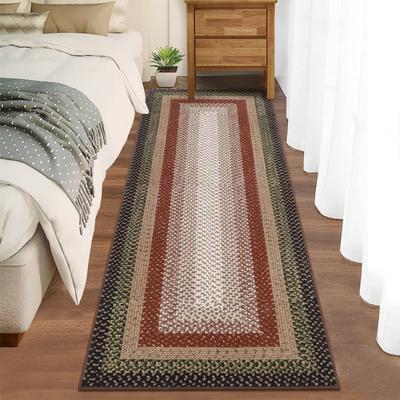
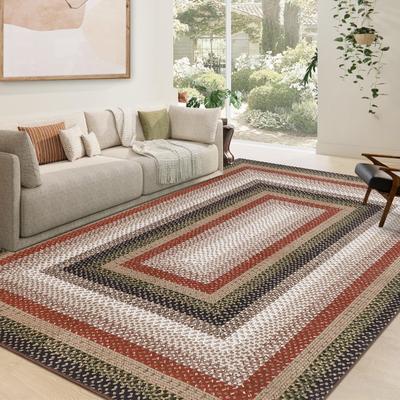
Similar search terms for Garvee-Farmhouse-Braided-Printed
Top-Angebote
Products related to Garvee-Farmhouse-Braided-Printed:


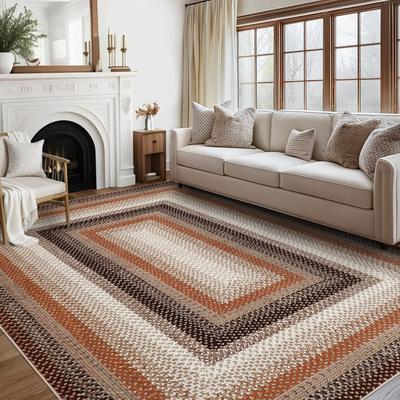
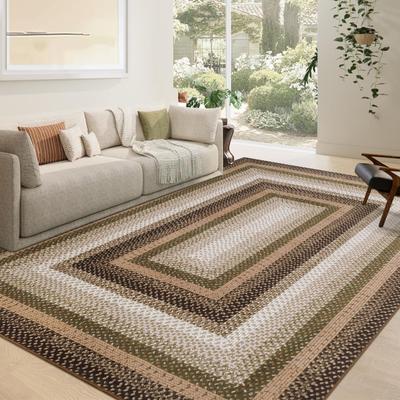
-
How are Rasta braids braided?
Rasta braids, also known as dreadlocks or locs, are typically braided by sectioning the hair into small parts and then tightly twisting or braiding each section. This process is repeated throughout the entire head of hair to create the desired length and thickness of the braids. Rasta braids are often left to naturally lock and form over time, creating a unique and textured hairstyle. It is important to regularly maintain and care for Rasta braids to keep them healthy and looking their best. **
-
Is the front also braided?
Yes, the front is also braided. The hairstyle consists of multiple braids that are woven together to create a unique and intricate look. The braids are not only at the back but also extend to the front, adding to the overall style and complexity of the hairstyle. **
-
Can you get Rastas braided?
Yes, it is possible to get Rastas braided. Rastas, also known as dreadlocks, can be achieved through a process of braiding or twisting the hair and allowing it to naturally lock and form into the distinctive dreadlock style. This process can be done by a professional hairstylist who specializes in creating and maintaining dreadlocks. It is important to find a stylist who is experienced in working with Rastas to ensure that the process is done correctly and the hair is cared for properly. **
-
Can a design be printed on both sides?
Yes, a design can be printed on both sides of a material. This is commonly done with items such as business cards, postcards, and certain types of apparel. The process of printing on both sides may require special equipment and techniques to ensure that the design is properly aligned and that the ink does not bleed through to the other side. Additionally, the type of material being printed on may also impact the feasibility of printing on both sides. **

Can Washi Tape be printed with a custom design?
Yes, Washi Tape can be printed with a custom design. Many companies offer custom printing services where you can choose your own design, logo, or pattern to be printed on the Washi Tape. This allows for personalized and unique Washi Tape that can be used for various crafting and decorative purposes. Custom printed Washi Tape is a popular choice for businesses, events, and special occasions looking to add a personal touch to their projects. **
What can be braided and dyed?
Many different materials can be braided and dyed, including hair, fabric, yarn, and rope. Braiding involves weaving multiple strands together to create a pattern or design, while dyeing involves adding color to the material. Both techniques can be used to create unique and colorful designs in various crafts and projects. **
Top-Angebote
Products related to Garvee-Farmhouse-Braided-Printed:
-
How are dreadlocks braided?
Dreadlocks are typically formed by sectioning the hair and then twisting or braiding each section. One common method is the "twist and rip" technique, where the hair is divided into sections and then twisted tightly, causing the hair to naturally lock and form into dreadlocks over time. Another method is the "backcombing" technique, where the hair is sectioned and then backcombed to create knots that will eventually form into dreadlocks. Some people also use a combination of twisting, braiding, and natural matting to form their dreadlocks. Overall, the process involves creating tension and knots in the hair to encourage it to lock and form into dreadlocks. **
-
How is this hairstyle braided?
This hairstyle is braided in a Dutch braid style. The hair is divided into three sections, and the outer sections are crossed under the middle section, rather than over, creating a braid that sits on top of the head. The braid is then continued all the way down to the ends of the hair, creating a sleek and polished look. **
-
How are Rasta braids braided?
Rasta braids, also known as dreadlocks or locs, are typically braided by sectioning the hair into small parts and then tightly twisting or braiding each section. This process is repeated throughout the entire head of hair to create the desired length and thickness of the braids. Rasta braids are often left to naturally lock and form over time, creating a unique and textured hairstyle. It is important to regularly maintain and care for Rasta braids to keep them healthy and looking their best. **
-
Is the front also braided?
Yes, the front is also braided. The hairstyle consists of multiple braids that are woven together to create a unique and intricate look. The braids are not only at the back but also extend to the front, adding to the overall style and complexity of the hairstyle. **
Similar search terms for Garvee-Farmhouse-Braided-Printed
-
Can you get Rastas braided?
Yes, it is possible to get Rastas braided. Rastas, also known as dreadlocks, can be achieved through a process of braiding or twisting the hair and allowing it to naturally lock and form into the distinctive dreadlock style. This process can be done by a professional hairstylist who specializes in creating and maintaining dreadlocks. It is important to find a stylist who is experienced in working with Rastas to ensure that the process is done correctly and the hair is cared for properly. **
-
Can a design be printed on both sides?
Yes, a design can be printed on both sides of a material. This is commonly done with items such as business cards, postcards, and certain types of apparel. The process of printing on both sides may require special equipment and techniques to ensure that the design is properly aligned and that the ink does not bleed through to the other side. Additionally, the type of material being printed on may also impact the feasibility of printing on both sides. **
-
Can Washi Tape be printed with a custom design?
Yes, Washi Tape can be printed with a custom design. Many companies offer custom printing services where you can choose your own design, logo, or pattern to be printed on the Washi Tape. This allows for personalized and unique Washi Tape that can be used for various crafting and decorative purposes. Custom printed Washi Tape is a popular choice for businesses, events, and special occasions looking to add a personal touch to their projects. **
-
What can be braided and dyed?
Many different materials can be braided and dyed, including hair, fabric, yarn, and rope. Braiding involves weaving multiple strands together to create a pattern or design, while dyeing involves adding color to the material. Both techniques can be used to create unique and colorful designs in various crafts and projects. **
* All prices are inclusive of VAT and, if applicable, plus shipping costs. The offer information is based on the details provided by the respective shop and is updated through automated processes. Real-time updates do not occur, so deviations can occur in individual cases. ** Note: Parts of this content were created by AI.