Buy modelplac.eu ?
We are moving the project
modelplac.eu .
Are you interested in purchasing the domain
modelplac.eu ?
domain@kv-gmbh.de · 0541-91531010
Buy modelplac.eu ?
What is the difference between factual judgment and value judgment?
Factual judgment is based on objective, verifiable information and evidence, while value judgment is based on subjective beliefs, opinions, and personal values. Factual judgment can be proven or disproven with evidence, while value judgment is based on individual perspectives and cannot be objectively proven. Factual judgment is often used in scientific, logical, or empirical reasoning, while value judgment is often used in ethical, moral, or personal decision-making. **
Is the judgment final?
Yes, the judgment is final. Once a judgment has been made by a court, it is legally binding and cannot be changed unless there are specific legal grounds for an appeal or modification. Parties involved in the case must abide by the judgment and its terms, and failure to do so can result in legal consequences. It is important to carefully consider the implications of a judgment before it is made, as it is difficult to reverse once it has been finalized. **


Similar search terms for Non-judgment
Top-Angebote
Products related to Non-judgment:
-
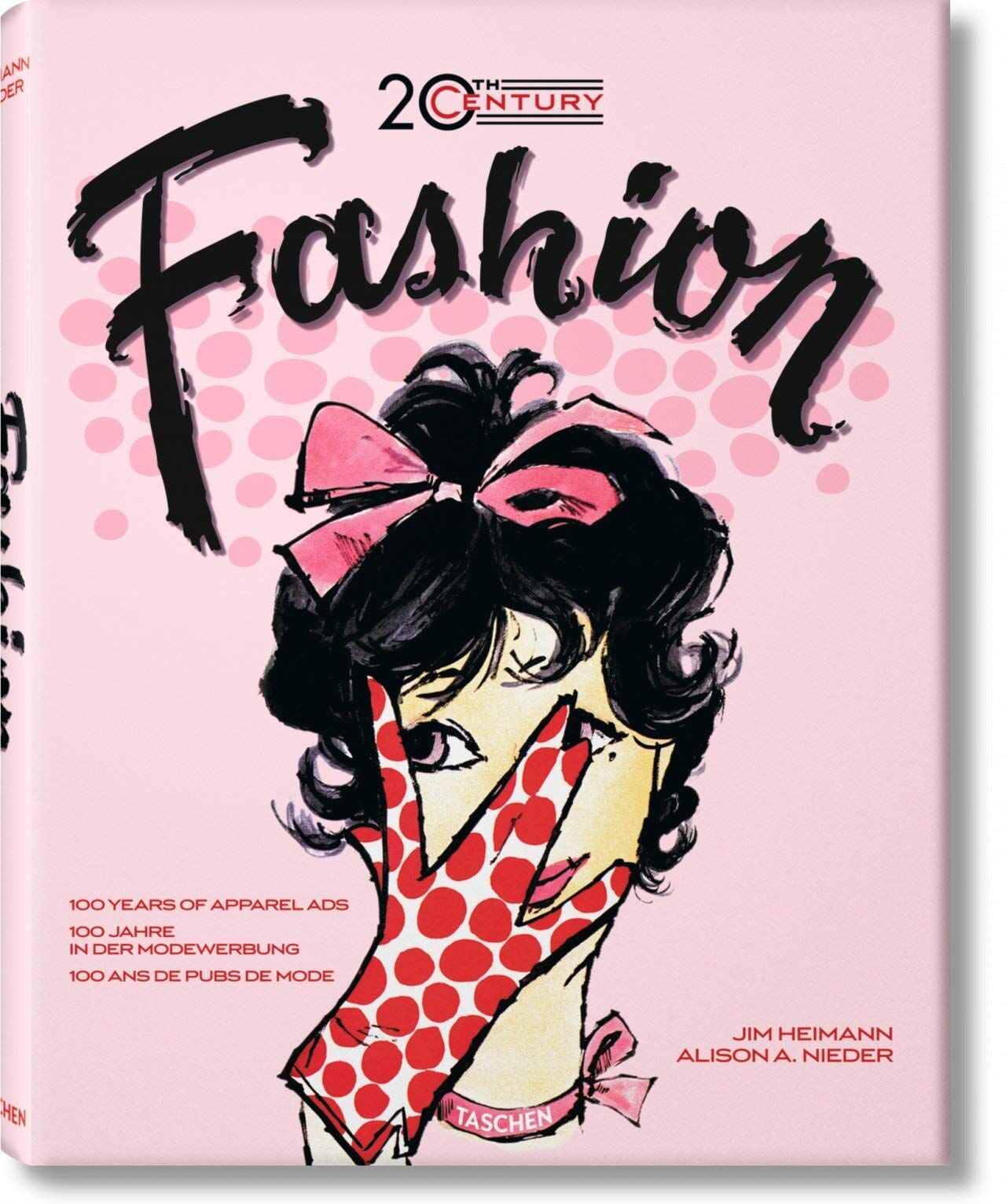
20th Century Fashion: 100 Years of Apparel Ads By Alison A. Nieder - Non Fiction - Hardback Taschen GmbHThe way we wore The story of modern fashion from couture to mass market The 20th century saw fashion evolve from an exclusive Parisian salon business catering to a wealthy elite, into a global industry employing millions, with new trends whisked into stores before the last model has left the catwalk. Along the way, the signature feminine silhouettes of each era evolved beyond recognition: House of Worth crinolines gave way to Vionnet s bias-cut gowns, Dior s New Look to Quant s Chelsea Look, Halston s white suit to Frankie B. s low-rise jeans. In menswear, ready-made suits signaled the demise of bespoke tailoring, long before Hawaiian shirts, skinny ties or baggy pants entered the fore. 20th Century Fashion offers a stylish retrospective of the last hundred years, via 400 fashion advertisements from the Jim Heimann Collection. Using imagery culled from a century of advertising, this book documents the unrelenting pace of fashion as it was adopted into the mass culture, decade by decade. An in-depth introduction, chapter text, and illustrated timeline detail the style-makers and trend-setters, from couture to the mass market; and how the historic events, design houses, retailers, films, magazines, and celebrities shaped the way we dressed then and now.14,99 £*Shipping: 2,99 £Secure redirect to the provider
-
Batsford Professional Fashion Portfolio Design And Presentation Guide - Non Fiction - PaperbackTitle:. Fashion Portfolio: Design and Presentation Overview:. In the highly competitive world of fashion design, your portfolio is the primary currency of entry. Securing places at prestigious universities, landing internships, and winning roles at established fashion houses all hinge on the ability to present your creative vision with clarity, professionalism, and impact. Fashion Portfolio: Design and Presentation is a comprehensive non-fiction paperback guide dedicated to demystifying this crucial process. The book provides a structured roadmap for transforming raw creative ideas into cohesive, persuasive bodies of work that resonate with industry experts and recruiters.. More than just a collection of pretty images, this guide treats the portfolio as a strategic marketing tool. Readers learn how to curate their best pieces, sequence projects to tell a compelling story, and apply rigorous design principles to page layouts and digital formats. Whether preparing for a final year review or a job interview, the content equips aspiring designers with the knowledge to bridge the gap between studio experimentation and professional expectation. The paperback format ensures durability and portability, making it an ideal companion for studios, critiques, and coursework throughout a design education journey. What Makes This Book Stand Out:. Unlike general art handbooks that lack industry-specific context, this resource focuses intensely on the criteria by which fashion work is evaluated. It distinguishes itself by offering pragmatic frameworks for self-critique and project refinement long before work reaches a reviewer. The text delves into the mechanics of professional presentation, covering essential topics such as typographic hierarchy, grid systems, and the balance between visual appetite and narrative flow. It addresses common pitfalls that plague student and graduate portfolios, including cluttered spreads, inconsistent editing, and a failure to demonstrate conceptual depth. By emphasizing both aesthetic beauty and functional clarity, the book helps designers create work that feels intentional and gallery-ready. Additionally, it explores the evolving landscape of digital portfolios, offering insights relevant to current submission standards across traditional print reviews and online application portals. Who This Book Is Perfect For:. Fashion Students at All Levels: Essential reading for undergraduates and postgraduates in fashion design, textiles, menswear, womenswear, and accessories programs who need to elevate their final year presentations to a professional standard.. Emerging Designers and Graduates: Ideal recently graduated creatives looking to build their first professional pitch deck, launch their own label, or apply for junior designer positions where a polished portfolio is non-negotiable.. Self-Taught Creatives: Valuable for independent designers seeking to formalize their style and understand industry norms to increase their chances of...19,99 £*Shipping: 2,99 £Secure redirect to the provider


-
Do non-binaries just follow a trend?
No, being non-binary is not just a trend. Non-binary individuals have always existed throughout history, across different cultures and societies. Gender identity is a deeply personal experience, and non-binary individuals are simply expressing their authentic selves. It is important to respect and validate the identities of non-binary individuals, rather than reducing their experiences to a passing trend. **
-
Do non-binaries only follow a trend?
No, non-binaries do not only follow a trend. Non-binary individuals have always existed across different cultures and time periods, and their identities are not a trend. Non-binary people have unique experiences and identities that are valid and should be respected. It is important to recognize and affirm the diversity of gender identities beyond the binary. **
-
What is the difference between a factual judgment and a value judgment?
A factual judgment is based on verifiable evidence and objective information, while a value judgment is based on personal beliefs, preferences, or moral principles. Factual judgments can be proven or disproven through evidence and logic, while value judgments are subjective and influenced by individual perspectives and values. Factual judgments deal with what is true or false, while value judgments deal with what is good or bad, right or wrong based on personal values and beliefs. **
-
What is the value judgment and the factual judgment about the Crusades?
The value judgment about the Crusades is that they were a series of religiously motivated wars that resulted in significant loss of life and suffering, and were ultimately a negative and destructive force in history. The factual judgment about the Crusades is that they were a series of military campaigns sanctioned by the Latin Church in the medieval period, with the goal of capturing Jerusalem and other holy sites from Muslim control. The Crusades had a lasting impact on the political, social, and religious dynamics of Europe and the Middle East. **


What is the difference between a regular judgment and a moral judgment?
A regular judgment is based on objective criteria, such as evidence, facts, and logic, while a moral judgment is based on subjective beliefs about what is right or wrong. Regular judgments are often made in legal or professional contexts, while moral judgments are more personal and based on individual values and ethics. Regular judgments are often used to make decisions in a fair and impartial manner, while moral judgments are influenced by emotions, cultural norms, and personal experiences. **
How long does the Day of Judgment and the Last Judgment last?
The Day of Judgment and the Last Judgment are concepts found in various religious traditions, including Christianity and Islam. In Christianity, the Last Judgment is believed to be the final judgment of all humanity by God, and it is said to occur at the end of time. The duration of the Last Judgment is not specified in Christian teachings. In Islam, the Day of Judgment is also the final assessment of humanity by Allah, and it is said to last for a period of 50,000 years according to Islamic tradition. However, the exact duration of the Last Judgment is ultimately a matter of faith and interpretation within each religious tradition. **
Top-Angebote
Products related to Non-judgment:
-
Daniel Kahneman & Olivier Sibony & Cass R. Sunstein Noise: A Flaw in Human Judgment by Daniel Kahneman, Olivier Sibony & Cass R. Sunstein - Non Fiction - PaperbackTitle:. Noise: A Flaw in Human Judgment Condition: BRAND NEW. Format: Paperback. ISBN: 9780008309039 Overview:. We like to believe our choices arise from careful reasoning. Noise invites you to question that assumption. In this groundbreaking book, Daniel Kahneman, Olivier Sibony, and Cass R. Sunstein examine the hidden variability that colors judgments across professions—from doctors and judges to economists and policy makers. The authors synthesize years of behavioural science into a practical playbook designed to reduce the “noise” that taints every decision, from the simplest memo to high-stakes rulings. Noise explains why two equally informed experts can consistently disagree, not because they are careless, but because decision-making is subject to unpredictable variance that everyone experiences. The authors offer clear, field-tested strategies—standardized processes, decision audits, calibration tools, and algorithmic aids—to tighten reasoning without killing creativity. Written for a broad audience yet grounded in rigorous research, Noise is essential for managers aiming to improve governance, clinicians seeking better diagnoses, lawyers drafting fairer rulings, and policymakers crafting more reliable public policy. It builds on the authors’ renowned work on how human judgment deviates from optimal thinking, providing a practical route from insight to improvement. What Makes This Book Stand Out:. Noise stands out by reframing a familiar problem as a systemic, measurable phenomenon: variability in judgments that isn’t driven by malice or ignorance, but by the inherent noise in human decision-making. The trio blends psychology, economics, and law to quantify this noise and to show how it corrupts outcomes across domains. The book goes beyond theory, offering actionable tools such as decision hygiene checklists, calibration exercises, and governance frameworks you can implement quickly. Real-world case studies—from medical diagnoses to parole decisions—illustrate how modest procedural tweaks yield meaningful improvements in reliability and fairness. The prose is lucid and practical, making sophisticated research accessible to leaders, front-line professionals, and curious readers alike. If you want to design better systems without dampening human judgment, Noise provides a rigorous, humane blueprint. Who This Book Is Perfect For:. If you’re a clinician seeking more consistent diagnoses, a lawyer or judge aiming for fairer outcomes, a manager charged with better team decisions, or a policy professional designing reliable programs, this book speaks directly to you. It also suits students and readers of Thinking, Fast and Slow or Nudge who want a fresh, applied lens on decision quality. Gift buyers and book clubs focused on business, ethics, public policy, or psychology will find it a timely, stimulating pick. Whether you lead a department, run a clinic, or influence public discourse, Noise offers practical insights you can apply immediately to...3,99 £*Shipping: 2,99 £Secure redirect to the provider
-
William Collins Noise: A Flaw in Human Judgment - Daniel Kahneman, Olivier Sibony & Cass R. Sunstein - Paperback - Behavioural Science Nonfiction BestsellerNoise is a landmark work of behavioural science from Nobel laureate Daniel Kahneman, together with co-authors Olivier Sibony and Cass R. Sunstein. Following the success of Thinking, Fast and Slow, this paperback edition examines an overlooked source of error in human judgment: unwanted variability, or 'noise.' Drawing on studies from courtrooms, hospitals, and boardrooms, the authors reveal how identical cases can produce wildly different outcomes depending on who is judging them, and what can be done about it. We tend to assume that when experts disagree, bias is to blame. Noise makes the compelling case that a second, less visible problem is often just as damaging: inconsistency. Two doctors examining the same X-ray, two judges sentencing the same offence, or two underwriters pricing the same policy can arrive at strikingly different conclusions purely because of the variability in human judgment.3,99 £*Shipping: 2,99 £Secure redirect to the provider
-
20th Century Fashion: 100 Years of Apparel Ads By Alison A. Nieder - Non Fiction - Hardback Taschen GmbHThe way we wore The story of modern fashion from couture to mass market The 20th century saw fashion evolve from an exclusive Parisian salon business catering to a wealthy elite, into a global industry employing millions, with new trends whisked into stores before the last model has left the catwalk. Along the way, the signature feminine silhouettes of each era evolved beyond recognition: House of Worth crinolines gave way to Vionnet s bias-cut gowns, Dior s New Look to Quant s Chelsea Look, Halston s white suit to Frankie B. s low-rise jeans. In menswear, ready-made suits signaled the demise of bespoke tailoring, long before Hawaiian shirts, skinny ties or baggy pants entered the fore. 20th Century Fashion offers a stylish retrospective of the last hundred years, via 400 fashion advertisements from the Jim Heimann Collection. Using imagery culled from a century of advertising, this book documents the unrelenting pace of fashion as it was adopted into the mass culture, decade by decade. An in-depth introduction, chapter text, and illustrated timeline detail the style-makers and trend-setters, from couture to the mass market; and how the historic events, design houses, retailers, films, magazines, and celebrities shaped the way we dressed then and now.14,99 £*Shipping: 2,99 £Secure redirect to the provider
-
Batsford Professional Fashion Portfolio Design And Presentation Guide - Non Fiction - PaperbackTitle:. Fashion Portfolio: Design and Presentation Overview:. In the highly competitive world of fashion design, your portfolio is the primary currency of entry. Securing places at prestigious universities, landing internships, and winning roles at established fashion houses all hinge on the ability to present your creative vision with clarity, professionalism, and impact. Fashion Portfolio: Design and Presentation is a comprehensive non-fiction paperback guide dedicated to demystifying this crucial process. The book provides a structured roadmap for transforming raw creative ideas into cohesive, persuasive bodies of work that resonate with industry experts and recruiters.. More than just a collection of pretty images, this guide treats the portfolio as a strategic marketing tool. Readers learn how to curate their best pieces, sequence projects to tell a compelling story, and apply rigorous design principles to page layouts and digital formats. Whether preparing for a final year review or a job interview, the content equips aspiring designers with the knowledge to bridge the gap between studio experimentation and professional expectation. The paperback format ensures durability and portability, making it an ideal companion for studios, critiques, and coursework throughout a design education journey. What Makes This Book Stand Out:. Unlike general art handbooks that lack industry-specific context, this resource focuses intensely on the criteria by which fashion work is evaluated. It distinguishes itself by offering pragmatic frameworks for self-critique and project refinement long before work reaches a reviewer. The text delves into the mechanics of professional presentation, covering essential topics such as typographic hierarchy, grid systems, and the balance between visual appetite and narrative flow. It addresses common pitfalls that plague student and graduate portfolios, including cluttered spreads, inconsistent editing, and a failure to demonstrate conceptual depth. By emphasizing both aesthetic beauty and functional clarity, the book helps designers create work that feels intentional and gallery-ready. Additionally, it explores the evolving landscape of digital portfolios, offering insights relevant to current submission standards across traditional print reviews and online application portals. Who This Book Is Perfect For:. Fashion Students at All Levels: Essential reading for undergraduates and postgraduates in fashion design, textiles, menswear, womenswear, and accessories programs who need to elevate their final year presentations to a professional standard.. Emerging Designers and Graduates: Ideal recently graduated creatives looking to build their first professional pitch deck, launch their own label, or apply for junior designer positions where a polished portfolio is non-negotiable.. Self-Taught Creatives: Valuable for independent designers seeking to formalize their style and understand industry norms to increase their chances of...19,99 £*Shipping: 2,99 £Secure redirect to the provider
-
What is the difference between factual judgment and value judgment?
Factual judgment is based on objective, verifiable information and evidence, while value judgment is based on subjective beliefs, opinions, and personal values. Factual judgment can be proven or disproven with evidence, while value judgment is based on individual perspectives and cannot be objectively proven. Factual judgment is often used in scientific, logical, or empirical reasoning, while value judgment is often used in ethical, moral, or personal decision-making. **
-
Is the judgment final?
Yes, the judgment is final. Once a judgment has been made by a court, it is legally binding and cannot be changed unless there are specific legal grounds for an appeal or modification. Parties involved in the case must abide by the judgment and its terms, and failure to do so can result in legal consequences. It is important to carefully consider the implications of a judgment before it is made, as it is difficult to reverse once it has been finalized. **
-
Do non-binaries just follow a trend?
No, being non-binary is not just a trend. Non-binary individuals have always existed throughout history, across different cultures and societies. Gender identity is a deeply personal experience, and non-binary individuals are simply expressing their authentic selves. It is important to respect and validate the identities of non-binary individuals, rather than reducing their experiences to a passing trend. **
-
Do non-binaries only follow a trend?
No, non-binaries do not only follow a trend. Non-binary individuals have always existed across different cultures and time periods, and their identities are not a trend. Non-binary people have unique experiences and identities that are valid and should be respected. It is important to recognize and affirm the diversity of gender identities beyond the binary. **
Similar search terms for Non-judgment
-
What is the difference between a factual judgment and a value judgment?
A factual judgment is based on verifiable evidence and objective information, while a value judgment is based on personal beliefs, preferences, or moral principles. Factual judgments can be proven or disproven through evidence and logic, while value judgments are subjective and influenced by individual perspectives and values. Factual judgments deal with what is true or false, while value judgments deal with what is good or bad, right or wrong based on personal values and beliefs. **
-
What is the value judgment and the factual judgment about the Crusades?
The value judgment about the Crusades is that they were a series of religiously motivated wars that resulted in significant loss of life and suffering, and were ultimately a negative and destructive force in history. The factual judgment about the Crusades is that they were a series of military campaigns sanctioned by the Latin Church in the medieval period, with the goal of capturing Jerusalem and other holy sites from Muslim control. The Crusades had a lasting impact on the political, social, and religious dynamics of Europe and the Middle East. **
-
What is the difference between a regular judgment and a moral judgment?
A regular judgment is based on objective criteria, such as evidence, facts, and logic, while a moral judgment is based on subjective beliefs about what is right or wrong. Regular judgments are often made in legal or professional contexts, while moral judgments are more personal and based on individual values and ethics. Regular judgments are often used to make decisions in a fair and impartial manner, while moral judgments are influenced by emotions, cultural norms, and personal experiences. **
-
How long does the Day of Judgment and the Last Judgment last?
The Day of Judgment and the Last Judgment are concepts found in various religious traditions, including Christianity and Islam. In Christianity, the Last Judgment is believed to be the final judgment of all humanity by God, and it is said to occur at the end of time. The duration of the Last Judgment is not specified in Christian teachings. In Islam, the Day of Judgment is also the final assessment of humanity by Allah, and it is said to last for a period of 50,000 years according to Islamic tradition. However, the exact duration of the Last Judgment is ultimately a matter of faith and interpretation within each religious tradition. **
* All prices are inclusive of VAT and, if applicable, plus shipping costs. The offer information is based on the details provided by the respective shop and is updated through automated processes. Real-time updates do not occur, so deviations can occur in individual cases. ** Note: Parts of this content were created by AI.