Buy modelplac.eu ?
We are moving the project
modelplac.eu .
Are you interested in purchasing the domain
modelplac.eu ?
domain@kv-gmbh.de · 0541-91531010
Buy modelplac.eu ?
What are hydraulic shocks?
Hydraulic shocks, also known as hydraulic dampers, are a type of suspension component used in vehicles to absorb and dampen the impact of bumps and vibrations on the road. They work by using hydraulic fluid to control the movement of the suspension, providing a smoother and more controlled ride. Hydraulic shocks are essential for maintaining stability and comfort in a vehicle, especially when driving on uneven or rough terrain. **
What are hydraulic lifters?
Hydraulic lifters are components of an engine's valve train that help to maintain proper valve clearance. They are designed to automatically adjust for any expansion or contraction of the engine's components due to changes in temperature. This helps to ensure consistent and smooth operation of the engine, as well as reduce the need for regular valve adjustments. Hydraulic lifters are commonly used in modern automotive engines to improve performance and reduce maintenance requirements. **
Similar search terms for Hydraulic
Top-Angebote
Products related to Hydraulic:
-
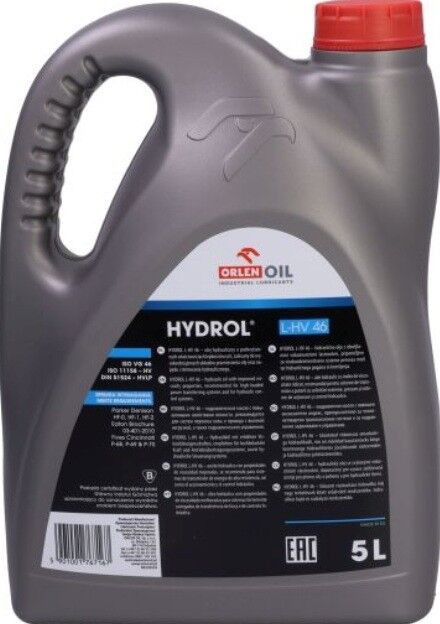
ORLEN QFS174B50 Hydraulic OilContainer Type: Canister; ISO viscosity class: VG 46; DIN/ISO: DIN 51524-3 HVLP, ISO 6743-4 HV, ISO 11158 HV; Vehicle Equipment: for vehicles with hydraulic auxiliary drive; Chemical Properties: high corrosion protection; Product line: Hydrol; Version: L-HV 46; Capacity [litre]: 5; Liquid:40,49 £*Shipping: 8,45 £Secure redirect to the provider
-
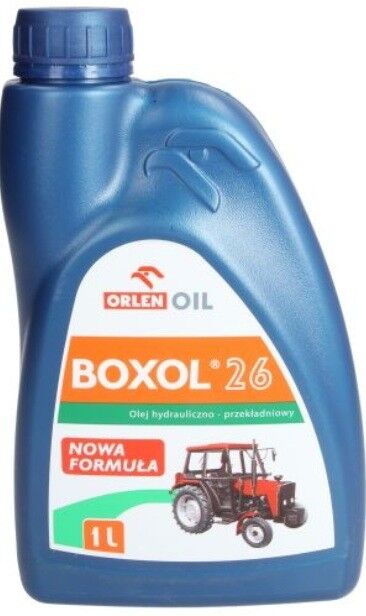
ORLEN QFS022B10 Hydraulic OilCapacity [litre]: 1; Container Type: Bottle; Vehicle type: tractor; Vehicle Equipment: for vehicles with hydraulic auxiliary drive, for vehicles with hydraulic system; ISO viscosity class: VG 46; DIN/ISO: DIN 51524 HVLP, ISO 11158 HV; Product line: Boxol; Version: 26; Liquid:11,99 £*Shipping: 8,45 £Secure redirect to the provider
-
ORLEN QFS022B50 Hydraulic OilCapacity [litre]: 5; Container Type: Canister; Vehicle type: tractor; Vehicle Equipment: for vehicles with hydraulic auxiliary drive, for vehicles with hydraulic system; ISO viscosity class: VG 46; DIN/ISO: DIN 51524 HVLP, ISO 11158 HV; Product line: Boxol; Version: 26; Liquid:27,49 £*Shipping: 8,45 £Secure redirect to the provider
-
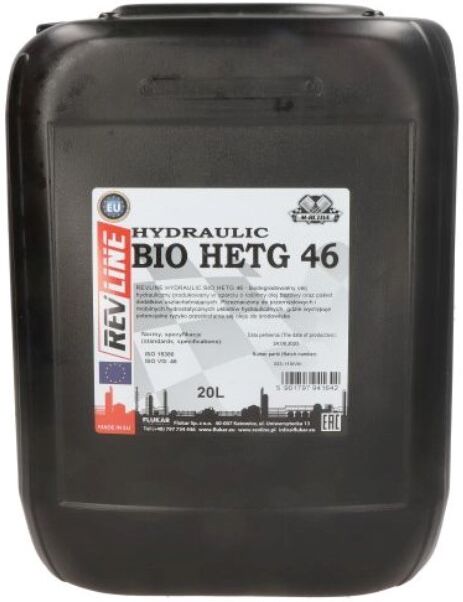
REVLINE 5901797941642 Hydraulic OilCapacity [litre]: 20; Container Type: Canister; Chemical Properties: Biodegradable, high corrosion protection; DIN/ISO: ISO 3448, ISO 6743-4 HETG, ISO 15380; ISO viscosity class: VG 46; Product line: Bio Hetz; Version: 46; Liquid:111,99 £*Shipping: 8,45 £Secure redirect to the provider

-
Do you do the heat pump design first or the hydraulic balancing first when designing a heat pump and performing hydraulic balancing?
When designing a heat pump system and performing hydraulic balancing, it is generally recommended to first design the heat pump system layout and specifications. This includes determining the heat pump capacity, location, and piping layout. Once the heat pump design is finalized, hydraulic balancing can be performed to ensure proper flow rates and pressure levels throughout the system. Hydraulic balancing helps optimize the performance and efficiency of the heat pump system by ensuring that each component receives the correct amount of water flow. **
-
Do you first design the heat pump or do the hydraulic balancing first when designing a heat pump and performing hydraulic balancing?
When designing a heat pump and performing hydraulic balancing, it is generally recommended to first design the heat pump system before proceeding with hydraulic balancing. This is because the heat pump design will determine the required flow rates, pipe sizes, and components needed for the system to operate efficiently. Once the heat pump system is designed, hydraulic balancing can then be performed to ensure that each part of the system receives the correct flow rate and pressure, optimizing the overall performance of the heat pump. **
-
What is a hydraulic task?
A hydraulic task is a task that involves the use of fluids to transmit power or energy. This typically involves the use of a hydraulic system, which uses a liquid, usually oil, to generate force and motion. Hydraulic tasks are commonly found in various industries such as construction, manufacturing, and transportation, where precise control and high power output are required. These tasks can range from simple applications like lifting heavy objects to more complex operations like controlling heavy machinery. **
-
What is a hydraulic system?
A hydraulic system is a technology that uses liquid to transmit power. It consists of a hydraulic pump, which generates pressure by forcing liquid through a system, and hydraulic cylinders or motors, which convert the pressure into mechanical force or motion. Hydraulic systems are commonly used in various applications, such as heavy machinery, construction equipment, and automotive brake systems, due to their efficiency and ability to generate high amounts of power. **

What is a hydraulic cylinder?
A hydraulic cylinder is a mechanical actuator that is used to create linear motion and force through the use of pressurized hydraulic fluid. It consists of a cylindrical barrel, a piston, and hydraulic seals. When hydraulic fluid is pumped into the cylinder, it pushes against the piston, causing it to move in a linear direction. Hydraulic cylinders are commonly used in various applications such as construction equipment, manufacturing machinery, and aerospace systems to generate powerful and controlled linear motion. **
What is a hydraulic line?
A hydraulic line is a hose or pipe that carries hydraulic fluid from one component to another in a hydraulic system. These lines are used to transmit power and control the movement of hydraulic machinery, such as in construction equipment, automotive brake systems, and aircraft landing gear. Hydraulic lines are designed to withstand high pressure and are often made of reinforced rubber or metal to ensure durability and safety. Proper maintenance and inspection of hydraulic lines are crucial to prevent leaks and ensure the efficient operation of hydraulic systems. **
Top-Angebote
Products related to Hydraulic:
-
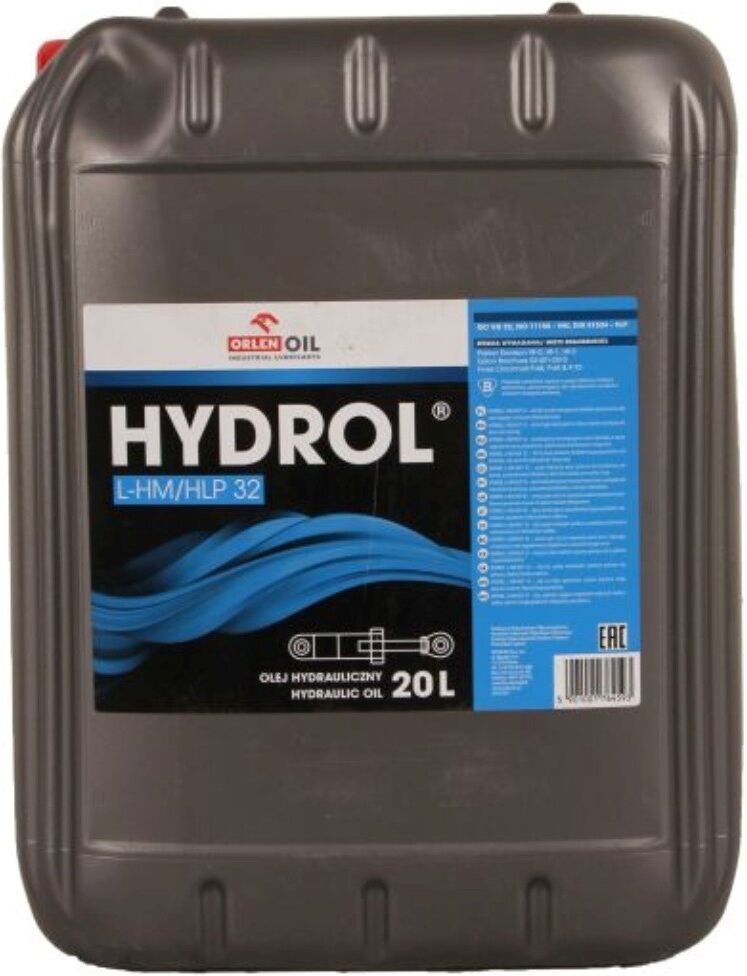
ORLEN QFS160K20 Hydraulic OilCapacity [litre]: 20; Container Type: Canister; ISO viscosity class: VG 32; DIN/ISO: DIN 51524-2 HLP, ISO 11158 HM, ISO 6743-4 HM; Vehicle Equipment: for vehicles with hydraulic auxiliary drive; Chemical Properties: high corrosion protection; Product line: Hydrol; Version: L-HM/HLP 32; Liquid:109,99 £*Shipping: 8,45 £Secure redirect to the provider
-
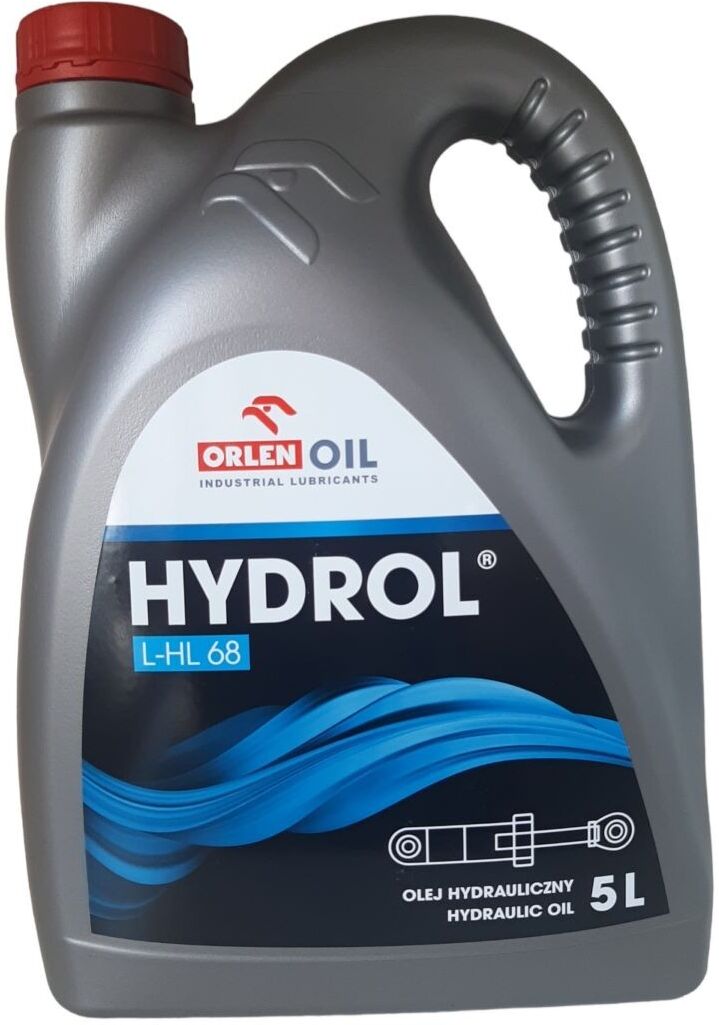
ORLEN QFS152B50 Hydraulic OilCapacity [litre]: 5; Container Type: Canister; ISO viscosity class: VG 68; Colour: yellow; DIN/ISO: DIN 51524-1 HL, ISO 11158 HL, ISO 6743-4 HL; Supplementary Article / Supplementary Info Info 2: for difficult operating conditions; Chemical Properties: high corrosion protection; Product line: Hydrol; Version: L-HL 68; Liquid:23,49 £*Shipping: 8,45 £Secure redirect to the provider
-
ORLEN QFS174B50 Hydraulic OilContainer Type: Canister; ISO viscosity class: VG 46; DIN/ISO: DIN 51524-3 HVLP, ISO 6743-4 HV, ISO 11158 HV; Vehicle Equipment: for vehicles with hydraulic auxiliary drive; Chemical Properties: high corrosion protection; Product line: Hydrol; Version: L-HV 46; Capacity [litre]: 5; Liquid:40,49 £*Shipping: 8,45 £Secure redirect to the provider
-
ORLEN QFS022B10 Hydraulic OilCapacity [litre]: 1; Container Type: Bottle; Vehicle type: tractor; Vehicle Equipment: for vehicles with hydraulic auxiliary drive, for vehicles with hydraulic system; ISO viscosity class: VG 46; DIN/ISO: DIN 51524 HVLP, ISO 11158 HV; Product line: Boxol; Version: 26; Liquid:11,99 £*Shipping: 8,45 £Secure redirect to the provider
-
What are hydraulic shocks?
Hydraulic shocks, also known as hydraulic dampers, are a type of suspension component used in vehicles to absorb and dampen the impact of bumps and vibrations on the road. They work by using hydraulic fluid to control the movement of the suspension, providing a smoother and more controlled ride. Hydraulic shocks are essential for maintaining stability and comfort in a vehicle, especially when driving on uneven or rough terrain. **
-
What are hydraulic lifters?
Hydraulic lifters are components of an engine's valve train that help to maintain proper valve clearance. They are designed to automatically adjust for any expansion or contraction of the engine's components due to changes in temperature. This helps to ensure consistent and smooth operation of the engine, as well as reduce the need for regular valve adjustments. Hydraulic lifters are commonly used in modern automotive engines to improve performance and reduce maintenance requirements. **
-
Do you do the heat pump design first or the hydraulic balancing first when designing a heat pump and performing hydraulic balancing?
When designing a heat pump system and performing hydraulic balancing, it is generally recommended to first design the heat pump system layout and specifications. This includes determining the heat pump capacity, location, and piping layout. Once the heat pump design is finalized, hydraulic balancing can be performed to ensure proper flow rates and pressure levels throughout the system. Hydraulic balancing helps optimize the performance and efficiency of the heat pump system by ensuring that each component receives the correct amount of water flow. **
-
Do you first design the heat pump or do the hydraulic balancing first when designing a heat pump and performing hydraulic balancing?
When designing a heat pump and performing hydraulic balancing, it is generally recommended to first design the heat pump system before proceeding with hydraulic balancing. This is because the heat pump design will determine the required flow rates, pipe sizes, and components needed for the system to operate efficiently. Once the heat pump system is designed, hydraulic balancing can then be performed to ensure that each part of the system receives the correct flow rate and pressure, optimizing the overall performance of the heat pump. **
Similar search terms for Hydraulic
-
ORLEN QFS022B50 Hydraulic OilCapacity [litre]: 5; Container Type: Canister; Vehicle type: tractor; Vehicle Equipment: for vehicles with hydraulic auxiliary drive, for vehicles with hydraulic system; ISO viscosity class: VG 46; DIN/ISO: DIN 51524 HVLP, ISO 11158 HV; Product line: Boxol; Version: 26; Liquid:27,49 £*Shipping: 8,45 £Secure redirect to the provider
-
REVLINE 5901797941642 Hydraulic OilCapacity [litre]: 20; Container Type: Canister; Chemical Properties: Biodegradable, high corrosion protection; DIN/ISO: ISO 3448, ISO 6743-4 HETG, ISO 15380; ISO viscosity class: VG 46; Product line: Bio Hetz; Version: 46; Liquid:111,99 £*Shipping: 8,45 £Secure redirect to the provider
-
REVLINE 5901797942601 Hydraulic OilCapacity [litre]: 20; Container Type: Canister; Supplementary Article / Supplementary Info Info 2: for difficult operating conditions; Chemical Properties: high corrosion protection; ISO viscosity class: VG 32; DIN/ISO: ISO 6743-4, ISO 3448, ISO 11158 HM, DIN 51 524; Product line: Hydraulic; Version: HM/HLP 32; Liquid:89,99 £*Shipping: 8,45 £Secure redirect to the provider
-
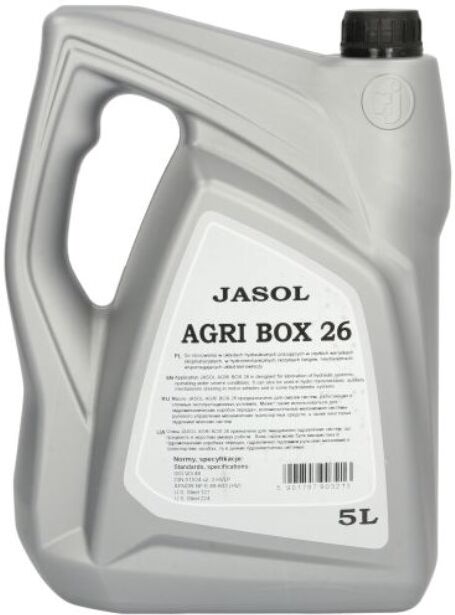
JASOL 5901797903213 Hydraulic OilCapacity [litre]: 5; Container Type: Canister; ISO viscosity class: VG 46; Transmission Type: for manual transmission; Vehicle Equipment: for vehicles with hydraulic system; Specification: DIN 51524-3 HVLP, Afnor NF E 48-603; Product line: Agri Box; Version: 26; Liquid:36,49 £*Shipping: 8,45 £Secure redirect to the provider
-
What is a hydraulic task?
A hydraulic task is a task that involves the use of fluids to transmit power or energy. This typically involves the use of a hydraulic system, which uses a liquid, usually oil, to generate force and motion. Hydraulic tasks are commonly found in various industries such as construction, manufacturing, and transportation, where precise control and high power output are required. These tasks can range from simple applications like lifting heavy objects to more complex operations like controlling heavy machinery. **
-
What is a hydraulic system?
A hydraulic system is a technology that uses liquid to transmit power. It consists of a hydraulic pump, which generates pressure by forcing liquid through a system, and hydraulic cylinders or motors, which convert the pressure into mechanical force or motion. Hydraulic systems are commonly used in various applications, such as heavy machinery, construction equipment, and automotive brake systems, due to their efficiency and ability to generate high amounts of power. **
-
What is a hydraulic cylinder?
A hydraulic cylinder is a mechanical actuator that is used to create linear motion and force through the use of pressurized hydraulic fluid. It consists of a cylindrical barrel, a piston, and hydraulic seals. When hydraulic fluid is pumped into the cylinder, it pushes against the piston, causing it to move in a linear direction. Hydraulic cylinders are commonly used in various applications such as construction equipment, manufacturing machinery, and aerospace systems to generate powerful and controlled linear motion. **
-
What is a hydraulic line?
A hydraulic line is a hose or pipe that carries hydraulic fluid from one component to another in a hydraulic system. These lines are used to transmit power and control the movement of hydraulic machinery, such as in construction equipment, automotive brake systems, and aircraft landing gear. Hydraulic lines are designed to withstand high pressure and are often made of reinforced rubber or metal to ensure durability and safety. Proper maintenance and inspection of hydraulic lines are crucial to prevent leaks and ensure the efficient operation of hydraulic systems. **
* All prices are inclusive of VAT and, if applicable, plus shipping costs. The offer information is based on the details provided by the respective shop and is updated through automated processes. Real-time updates do not occur, so deviations can occur in individual cases. ** Note: Parts of this content were created by AI.