Buy modelplac.eu ?
We are moving the project
modelplac.eu .
Are you interested in purchasing the domain
modelplac.eu ?
domain@kv-gmbh.de · 0541-91531010
Buy modelplac.eu ?
Why do volatile substances have low boiling points and non-volatile substances have very high boiling points?
Volatile substances have low boiling points because they have weak intermolecular forces of attraction between their molecules. This means that less energy is required to overcome these forces and transition from a liquid to a gas state. On the other hand, non-volatile substances have very high boiling points because they have strong intermolecular forces of attraction, requiring a significant amount of energy to break these bonds and transition from a liquid to a gas state. **
What are volatile acids?
Volatile acids are organic acids that can vaporize or evaporate at room temperature. They are typically found in fermented foods and beverages, as well as in the human body as byproducts of metabolism. Examples of volatile acids include acetic acid, lactic acid, and propionic acid. In the context of food and beverage production, volatile acids contribute to the flavor and aroma of the final product. **
Similar search terms for Non-volatile
Top-Angebote
Products related to Non-volatile:




-
Why is hydrogen so volatile?
Hydrogen is volatile because it is a highly flammable gas that can easily ignite in the presence of oxygen. It has a wide flammability range and low ignition energy, making it highly reactive. Additionally, hydrogen molecules are very small and light, allowing them to escape easily from containers and mix quickly with air, increasing the risk of combustion. These properties make hydrogen a potentially dangerous and volatile substance if not handled properly. **
-
Is water a volatile substance?
Yes, water is a volatile substance. Volatility refers to a substance's ability to evaporate or vaporize at a relatively low temperature. Water has a relatively high volatility compared to many other substances, as it can evaporate at room temperature. This is why water can easily turn into vapor and enter the atmosphere as part of the water cycle. **
-
Is helium a volatile substance?
Yes, helium is considered a volatile substance. Volatility refers to a substance's tendency to vaporize or evaporate at normal temperatures. Helium has a very low boiling point of -268.9°C (-452°F), which means it can easily transition from a liquid to a gas at normal temperatures, making it a volatile substance. **
-
What are volatile organic compounds (VOCs)?
Volatile organic compounds (VOCs) are a group of organic chemicals that easily evaporate into the air at room temperature. They are emitted from a variety of sources, including household products, building materials, and industrial processes. VOCs can have short- and long-term health effects, and they also contribute to air pollution and the formation of ground-level ozone. Common VOCs include formaldehyde, benzene, and toluene. Efforts to reduce VOC emissions include using low-VOC products and improving ventilation in indoor spaces. **


Is carbon dioxide a volatile substance?
Yes, carbon dioxide is a volatile substance. Volatility refers to a substance's tendency to evaporate or vaporize at normal temperatures. Carbon dioxide can exist as a gas at room temperature and pressure, and it readily transitions between its solid, liquid, and gaseous states. This volatility is why carbon dioxide is a key component in processes such as carbonation in beverages and dry ice sublimation. **
Is mercury a metal or a volatile substance?
Mercury is a metal. It is a heavy, silvery-white liquid metal at room temperature and is the only metal that is liquid at standard conditions for temperature and pressure. Mercury is known for its high density and is commonly used in thermometers, barometers, and other scientific instruments. **
Top-Angebote
Products related to Non-volatile:
-
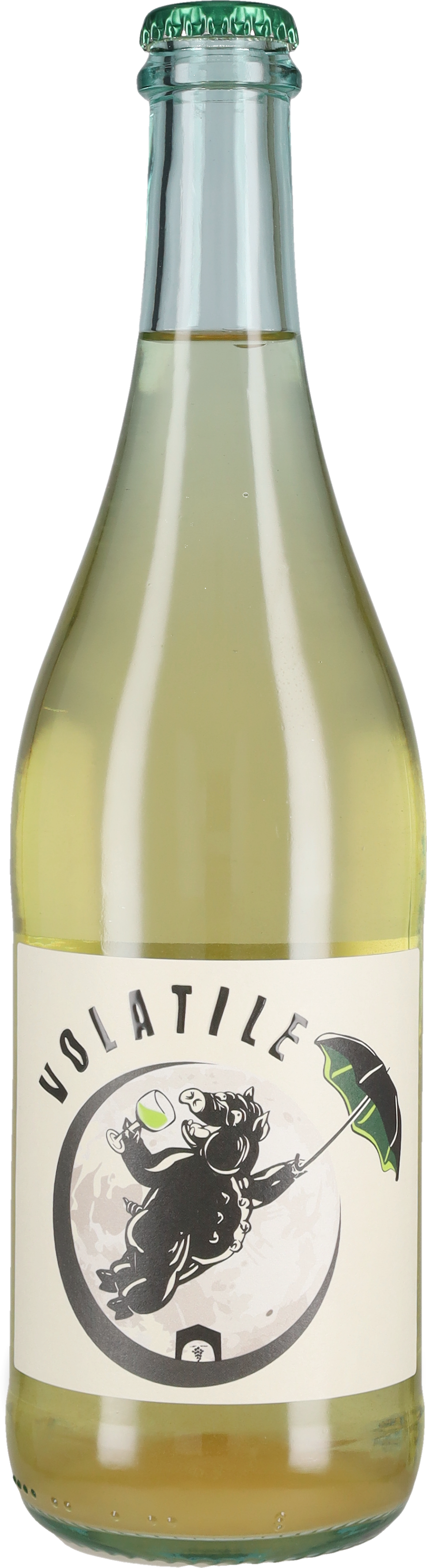
Rifermentato in bottiglia 'Volatile' Tenuta San MarcelloThe label of the "Volatile" from Tenuta San Marcello is almost a play on words: it can describe the sparkling wine so delicious and immediate that it can be consumed in an instant or joke winking at certain productions that leave in the bottle aromas that are a bit too pungent and of which there is actually no trace here. “Volatile” from Tenuta San Marcello is made by vinifying with the ancestral method the most typical local white grape variety, grown without any use of synthetic chemical products and with an eye to the principles of biodynamic agriculture. The winery is located in the inland of Senigallia, at an altitude of about 290 meters on the slopes overlooking the Adriatic Sea, characterized by fundamentally clayey soils with widespread limestone presence: these are the emerged lands formed in geological epochs from marine sedimentation. The harvest is done by hand and the grapes are transported to the winery in small boxes, to be destemmed. The soft pressing allows for delicately extracting the aromas and the must ferments in stainless steel tanks spontaneously thanks to the work of indigenous yeasts: once the optimal residual sugar is reached, the wine is bottled, completing the alcoholic fermentation sealed with a crown cap and developing the characteristic effervescence. The use of sulfur dioxide is minimized, while no manipulations such as filtration, clarification, or stabilization are performed. “Volatile” made by Tenuta San Marcello presents a bright straw yellow color, with golden reflections and a rich and persistent foam. The nose is characterized by typical and immediate aromas, such as the reference to grape must and brewer's yeast, which blend with bakery fragrances and notes of white-fleshed fruit and wildflowers. The sip is an announced explosion of joy and shows great smoothness and drinkability: the biting freshness is the key element of the tasting, well integrated with the enveloping and slightly rough character of the suspended yeasts, while the citrus and fruity hints leave the palate with a tonifying sensation. The finish is a subtle reference to the minerality of the varietal. A sincere ancestral method made to be drunk, whenever one is thirsty: rather than pairing with a specific dish, it pairs very well with activities in the kitchen!14,00 £*Shipping: 48,00 £Secure redirect to the provider
-
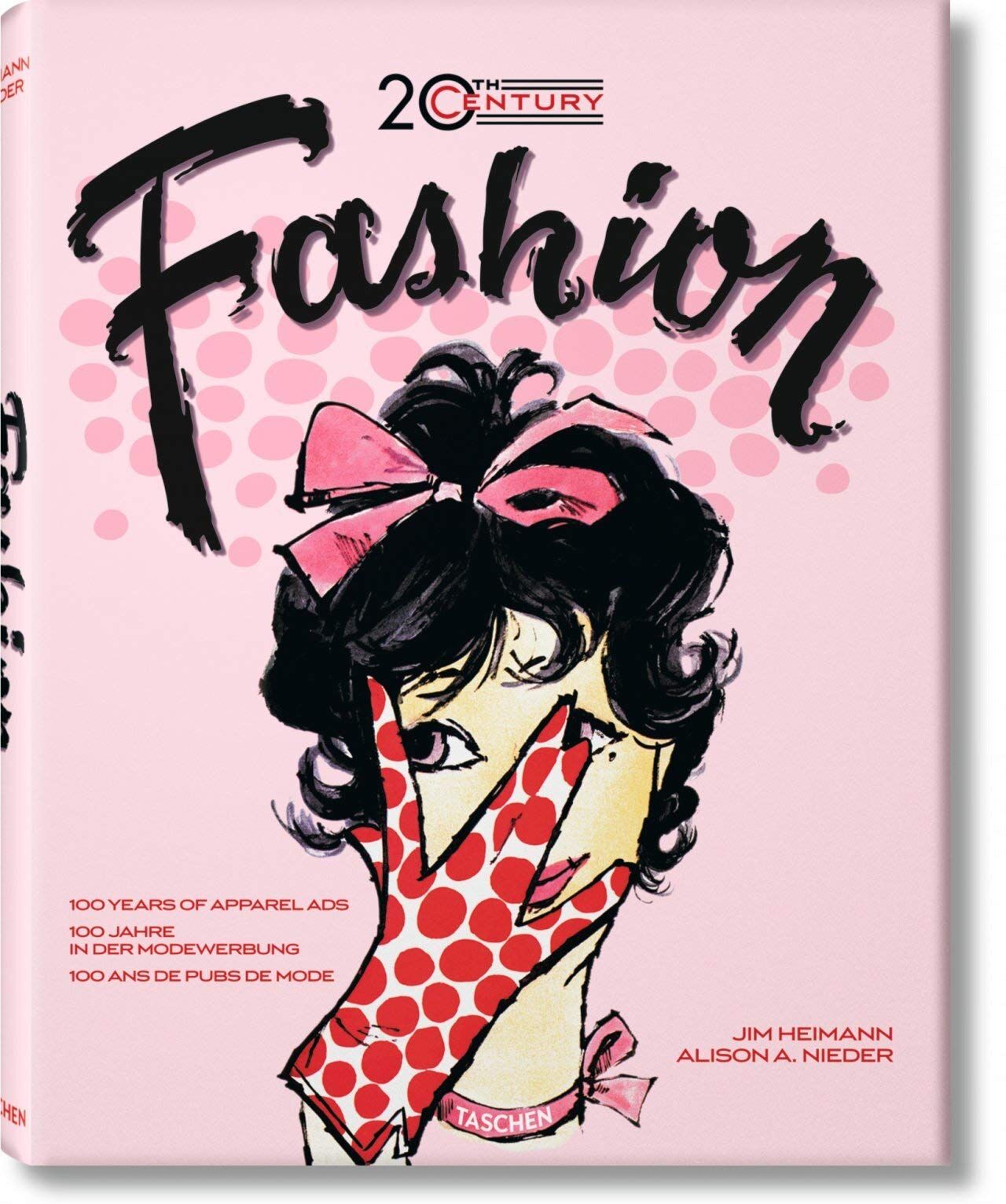
20th Century Fashion: 100 Years of Apparel Ads By Alison A. Nieder - Non Fiction - Hardback Taschen GmbHThe way we wore The story of modern fashion from couture to mass market The 20th century saw fashion evolve from an exclusive Parisian salon business catering to a wealthy elite, into a global industry employing millions, with new trends whisked into stores before the last model has left the catwalk. Along the way, the signature feminine silhouettes of each era evolved beyond recognition: House of Worth crinolines gave way to Vionnet s bias-cut gowns, Dior s New Look to Quant s Chelsea Look, Halston s white suit to Frankie B. s low-rise jeans. In menswear, ready-made suits signaled the demise of bespoke tailoring, long before Hawaiian shirts, skinny ties or baggy pants entered the fore. 20th Century Fashion offers a stylish retrospective of the last hundred years, via 400 fashion advertisements from the Jim Heimann Collection. Using imagery culled from a century of advertising, this book documents the unrelenting pace of fashion as it was adopted into the mass culture, decade by decade. An in-depth introduction, chapter text, and illustrated timeline detail the style-makers and trend-setters, from couture to the mass market; and how the historic events, design houses, retailers, films, magazines, and celebrities shaped the way we dressed then and now.14,99 £*Shipping: 2,99 £Secure redirect to the provider
-
Why do volatile substances have low boiling points and non-volatile substances have very high boiling points?
Volatile substances have low boiling points because they have weak intermolecular forces of attraction between their molecules. This means that less energy is required to overcome these forces and transition from a liquid to a gas state. On the other hand, non-volatile substances have very high boiling points because they have strong intermolecular forces of attraction, requiring a significant amount of energy to break these bonds and transition from a liquid to a gas state. **
-
What are volatile acids?
Volatile acids are organic acids that can vaporize or evaporate at room temperature. They are typically found in fermented foods and beverages, as well as in the human body as byproducts of metabolism. Examples of volatile acids include acetic acid, lactic acid, and propionic acid. In the context of food and beverage production, volatile acids contribute to the flavor and aroma of the final product. **
-
Why is hydrogen so volatile?
Hydrogen is volatile because it is a highly flammable gas that can easily ignite in the presence of oxygen. It has a wide flammability range and low ignition energy, making it highly reactive. Additionally, hydrogen molecules are very small and light, allowing them to escape easily from containers and mix quickly with air, increasing the risk of combustion. These properties make hydrogen a potentially dangerous and volatile substance if not handled properly. **
-
Is water a volatile substance?
Yes, water is a volatile substance. Volatility refers to a substance's ability to evaporate or vaporize at a relatively low temperature. Water has a relatively high volatility compared to many other substances, as it can evaporate at room temperature. This is why water can easily turn into vapor and enter the atmosphere as part of the water cycle. **
Similar search terms for Non-volatile
-
Is helium a volatile substance?
Yes, helium is considered a volatile substance. Volatility refers to a substance's tendency to vaporize or evaporate at normal temperatures. Helium has a very low boiling point of -268.9°C (-452°F), which means it can easily transition from a liquid to a gas at normal temperatures, making it a volatile substance. **
-
What are volatile organic compounds (VOCs)?
Volatile organic compounds (VOCs) are a group of organic chemicals that easily evaporate into the air at room temperature. They are emitted from a variety of sources, including household products, building materials, and industrial processes. VOCs can have short- and long-term health effects, and they also contribute to air pollution and the formation of ground-level ozone. Common VOCs include formaldehyde, benzene, and toluene. Efforts to reduce VOC emissions include using low-VOC products and improving ventilation in indoor spaces. **
-
Is carbon dioxide a volatile substance?
Yes, carbon dioxide is a volatile substance. Volatility refers to a substance's tendency to evaporate or vaporize at normal temperatures. Carbon dioxide can exist as a gas at room temperature and pressure, and it readily transitions between its solid, liquid, and gaseous states. This volatility is why carbon dioxide is a key component in processes such as carbonation in beverages and dry ice sublimation. **
-
Is mercury a metal or a volatile substance?
Mercury is a metal. It is a heavy, silvery-white liquid metal at room temperature and is the only metal that is liquid at standard conditions for temperature and pressure. Mercury is known for its high density and is commonly used in thermometers, barometers, and other scientific instruments. **
* All prices are inclusive of VAT and, if applicable, plus shipping costs. The offer information is based on the details provided by the respective shop and is updated through automated processes. Real-time updates do not occur, so deviations can occur in individual cases. ** Note: Parts of this content were created by AI.