Buy modelplac.eu ?
We are moving the project
modelplac.eu .
Are you interested in purchasing the domain
modelplac.eu ?
domain@kv-gmbh.de · 0541-91531010
Buy modelplac.eu ?
Which indigenous peoples exist?
There are thousands of indigenous peoples around the world, each with their own unique cultures, languages, and traditions. Some well-known indigenous peoples include the Maasai in East Africa, the Inuit in the Arctic regions, the Maori in New Zealand, the Native American tribes in North America, the Aboriginal peoples in Australia, and the Ainu in Japan. These are just a few examples, and there are many more indigenous communities spread across every continent. **
What are indigenous Germans?
Indigenous Germans are individuals who are native to Germany and have ancestral ties to the region that date back many generations. They are typically descendants of the various Germanic tribes that have inhabited the area for centuries. Indigenous Germans have a strong connection to the culture, traditions, and history of Germany, and often identify with their German heritage. **

Similar search terms for Non-indigenous
Top-Angebote
Products related to Non-indigenous:



-
What are indigenous people?
Indigenous people are the original inhabitants of a particular region or land, often with distinct cultural, social, and historical ties to that area. They have a deep connection to the land and natural resources, and their identities are often closely linked to their ancestral heritage. Indigenous communities have unique languages, traditions, and belief systems that have been passed down through generations. It is important to recognize and respect the rights and autonomy of indigenous peoples, as well as their contributions to society and the preservation of cultural diversity. **
-
Do non-binaries just follow a trend?
No, being non-binary is not just a trend. Non-binary individuals have always existed throughout history, across different cultures and societies. Gender identity is a deeply personal experience, and non-binary individuals are simply expressing their authentic selves. It is important to respect and validate the identities of non-binary individuals, rather than reducing their experiences to a passing trend. **
-
Do non-binaries only follow a trend?
No, non-binaries do not only follow a trend. Non-binary individuals have always existed across different cultures and time periods, and their identities are not a trend. Non-binary people have unique experiences and identities that are valid and should be respected. It is important to recognize and affirm the diversity of gender identities beyond the binary. **
-
Were the Germanic people indigenous?
The Germanic people were not indigenous to the areas they eventually settled in. They were originally believed to have originated in Scandinavia and northern Germany before migrating to other parts of Europe. As they moved and settled in new territories, they interacted with and assimilated with the indigenous populations already living there. Over time, they established their own distinct cultures and societies in these regions. **


What are indigenous people called?
Indigenous people are often referred to as Native peoples, First Nations, Aboriginal peoples, or Indigenous peoples. **
Which indigenous people celebrate birthdays?
Many indigenous peoples around the world celebrate birthdays, as the concept of marking the passage of time and celebrating the individual's life is common across cultures. For example, the Maori people of New Zealand celebrate birthdays with traditional songs and dances, while the Inuit people of the Arctic may celebrate with a community feast and gift-giving. Each indigenous culture has its own unique ways of honoring and celebrating birthdays, often incorporating traditional customs and rituals. **
Top-Angebote
Products related to Non-indigenous:
-
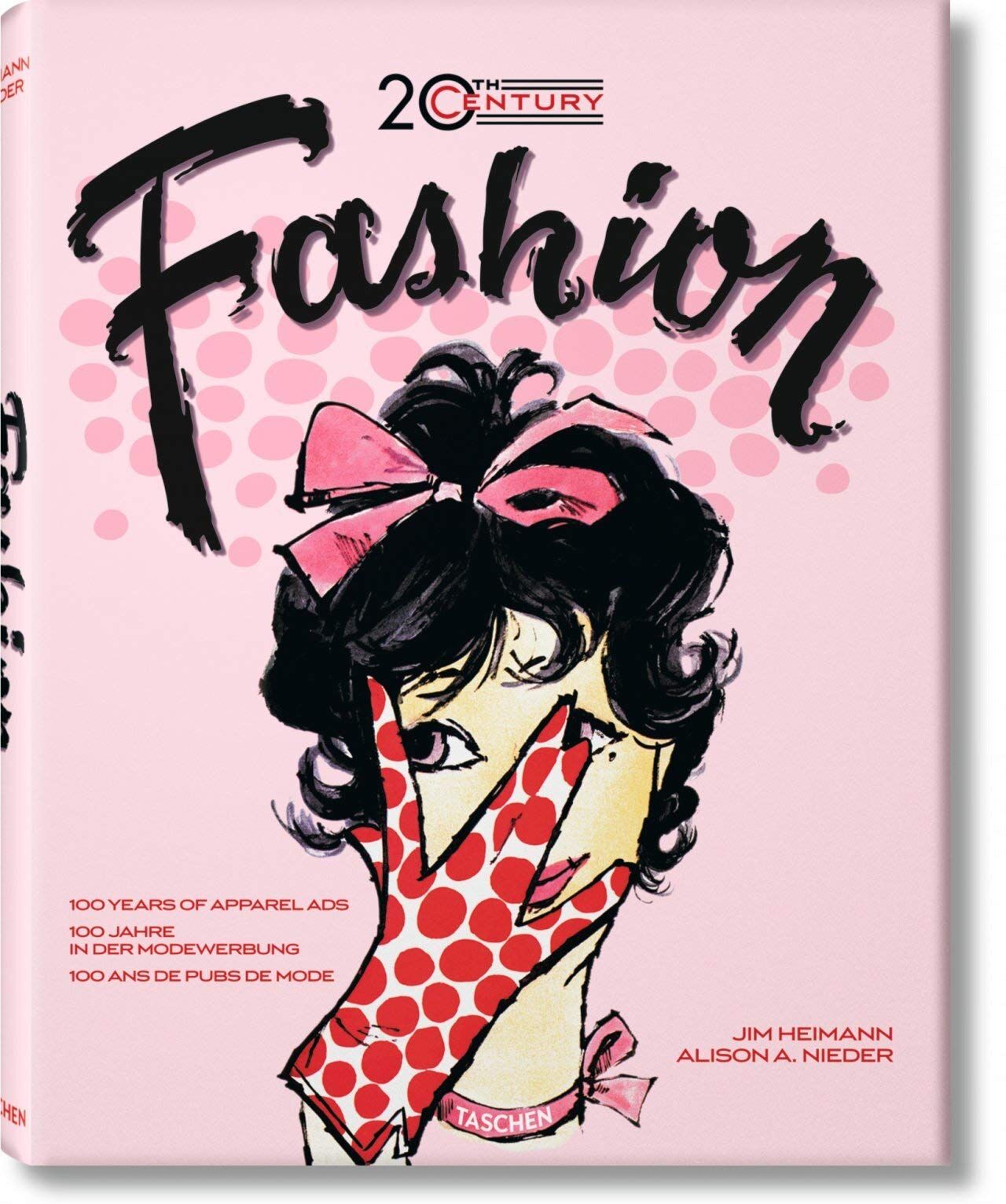
20th Century Fashion: 100 Years of Apparel Ads By Alison A. Nieder - Non Fiction - Hardback Taschen GmbHThe way we wore The story of modern fashion from couture to mass market The 20th century saw fashion evolve from an exclusive Parisian salon business catering to a wealthy elite, into a global industry employing millions, with new trends whisked into stores before the last model has left the catwalk. Along the way, the signature feminine silhouettes of each era evolved beyond recognition: House of Worth crinolines gave way to Vionnet s bias-cut gowns, Dior s New Look to Quant s Chelsea Look, Halston s white suit to Frankie B. s low-rise jeans. In menswear, ready-made suits signaled the demise of bespoke tailoring, long before Hawaiian shirts, skinny ties or baggy pants entered the fore. 20th Century Fashion offers a stylish retrospective of the last hundred years, via 400 fashion advertisements from the Jim Heimann Collection. Using imagery culled from a century of advertising, this book documents the unrelenting pace of fashion as it was adopted into the mass culture, decade by decade. An in-depth introduction, chapter text, and illustrated timeline detail the style-makers and trend-setters, from couture to the mass market; and how the historic events, design houses, retailers, films, magazines, and celebrities shaped the way we dressed then and now.14,99 £*Shipping: 2,99 £Secure redirect to the provider
-
Which indigenous peoples exist?
There are thousands of indigenous peoples around the world, each with their own unique cultures, languages, and traditions. Some well-known indigenous peoples include the Maasai in East Africa, the Inuit in the Arctic regions, the Maori in New Zealand, the Native American tribes in North America, the Aboriginal peoples in Australia, and the Ainu in Japan. These are just a few examples, and there are many more indigenous communities spread across every continent. **
-
What are indigenous Germans?
Indigenous Germans are individuals who are native to Germany and have ancestral ties to the region that date back many generations. They are typically descendants of the various Germanic tribes that have inhabited the area for centuries. Indigenous Germans have a strong connection to the culture, traditions, and history of Germany, and often identify with their German heritage. **
-
What are indigenous people?
Indigenous people are the original inhabitants of a particular region or land, often with distinct cultural, social, and historical ties to that area. They have a deep connection to the land and natural resources, and their identities are often closely linked to their ancestral heritage. Indigenous communities have unique languages, traditions, and belief systems that have been passed down through generations. It is important to recognize and respect the rights and autonomy of indigenous peoples, as well as their contributions to society and the preservation of cultural diversity. **
-
Do non-binaries just follow a trend?
No, being non-binary is not just a trend. Non-binary individuals have always existed throughout history, across different cultures and societies. Gender identity is a deeply personal experience, and non-binary individuals are simply expressing their authentic selves. It is important to respect and validate the identities of non-binary individuals, rather than reducing their experiences to a passing trend. **
Similar search terms for Non-indigenous
-
Do non-binaries only follow a trend?
No, non-binaries do not only follow a trend. Non-binary individuals have always existed across different cultures and time periods, and their identities are not a trend. Non-binary people have unique experiences and identities that are valid and should be respected. It is important to recognize and affirm the diversity of gender identities beyond the binary. **
-
Were the Germanic people indigenous?
The Germanic people were not indigenous to the areas they eventually settled in. They were originally believed to have originated in Scandinavia and northern Germany before migrating to other parts of Europe. As they moved and settled in new territories, they interacted with and assimilated with the indigenous populations already living there. Over time, they established their own distinct cultures and societies in these regions. **
-
What are indigenous people called?
Indigenous people are often referred to as Native peoples, First Nations, Aboriginal peoples, or Indigenous peoples. **
-
Which indigenous people celebrate birthdays?
Many indigenous peoples around the world celebrate birthdays, as the concept of marking the passage of time and celebrating the individual's life is common across cultures. For example, the Maori people of New Zealand celebrate birthdays with traditional songs and dances, while the Inuit people of the Arctic may celebrate with a community feast and gift-giving. Each indigenous culture has its own unique ways of honoring and celebrating birthdays, often incorporating traditional customs and rituals. **
* All prices are inclusive of VAT and, if applicable, plus shipping costs. The offer information is based on the details provided by the respective shop and is updated through automated processes. Real-time updates do not occur, so deviations can occur in individual cases. ** Note: Parts of this content were created by AI.