Buy modelplac.eu ?
We are moving the project
modelplac.eu .
Are you interested in purchasing the domain
modelplac.eu ?
domain@kv-gmbh.de · 0541-91531010
Buy modelplac.eu ?
Which driving style is more fuel-efficient?
A more fuel-efficient driving style is one that is smooth and steady, avoiding sudden acceleration and hard braking. By maintaining a consistent speed, anticipating traffic flow, and avoiding rapid changes in speed, drivers can maximize fuel efficiency. Additionally, keeping tires properly inflated, reducing unnecessary weight in the vehicle, and adhering to the recommended maintenance schedule can also help improve fuel efficiency. Overall, a more cautious and mindful driving style is typically more fuel-efficient compared to aggressive or erratic driving. **
Do you feed your horses concentrated feed, mineral feed, or just roughage and wet feed?
I do not personally own horses, but many horse owners provide a combination of concentrated feed, mineral feed, and roughage/wet feed to ensure their horses receive a balanced diet. Concentrated feed, such as grains and pellets, provide essential nutrients and energy for horses with higher energy needs. Mineral feed helps to ensure horses receive necessary vitamins and minerals. Roughage, such as hay and grass, is important for maintaining digestive health, while wet feed, such as soaked hay or beet pulp, can help with hydration and digestion. Each horse's diet should be tailored to their individual needs and activity level. **

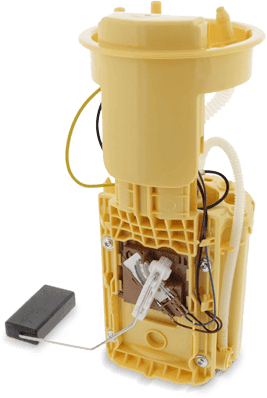
Similar search terms for FISPA-72425-Fuel-feed
Top-Angebote
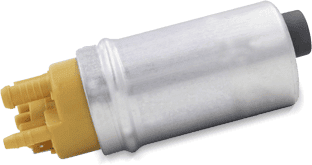
Products related to FISPA-72425-Fuel-feed:


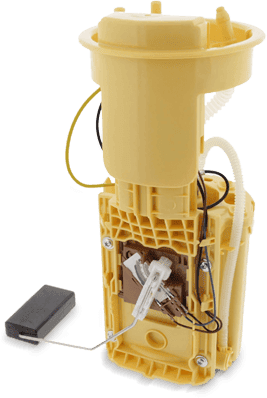
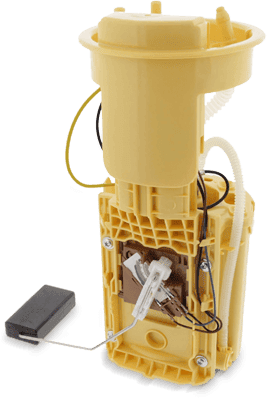
-
Feed horse feed that has expired?
No, it is not recommended to feed a horse feed that has expired. Expired feed may have lost its nutritional value and could potentially be harmful to the horse's health. It is important to always check the expiration date on feed bags and ensure that you are providing fresh and high-quality feed to your horse to support their overall well-being. **
-
How do I feed supplementary feed and mineral feed with mash?
To feed supplementary feed and mineral feed with mash, you can simply mix the supplementary feed and mineral feed into the mash before feeding it to your animals. Start by adding the recommended amount of supplementary feed and mineral feed to the mash and then mix it thoroughly to ensure even distribution. Make sure to follow the recommended feeding guidelines for the specific type of feed and monitor your animals' intake to ensure they are receiving the proper nutrition. Additionally, it's important to provide access to clean water at all times to help the animals digest the feed properly. **
-
Does the car's fuel gauge adjust to the driving style?
No, the car's fuel gauge does not adjust to the driving style. The fuel gauge simply measures the amount of fuel in the tank and does not take into account the driving style of the driver. However, a driver's driving style can affect fuel efficiency, so a more aggressive driving style may result in lower fuel economy and a faster decrease in the fuel gauge reading. **
-
With which feed do you mix the mineral feed?
Mineral feed is typically mixed with the animal's regular feed, such as grains, pellets, or hay. This ensures that the animal consumes the mineral supplement along with its regular diet, helping to meet its nutritional requirements. It is important to follow the recommended mixing instructions provided by the mineral feed manufacturer to ensure proper intake and effectiveness. **
What do you feed your horses as supplementary feed?
I feed my horses a combination of hay, grain, and supplements as supplementary feed. The hay provides roughage and fiber, while the grain offers additional energy and nutrients. I also include supplements such as vitamins and minerals to ensure they are meeting all their dietary requirements. It's important to tailor the supplementary feed to each horse's individual needs based on factors like age, activity level, and overall health. **
What happens if you fuel up with dirty fuel?
If you fuel up with dirty fuel, it can cause damage to your vehicle's engine and fuel system. Dirty fuel can contain contaminants such as dirt, water, and other impurities that can clog fuel filters, injectors, and other components. This can lead to decreased engine performance, reduced fuel efficiency, and potentially costly repairs. It's important to always use clean, high-quality fuel to ensure the proper functioning and longevity of your vehicle. **
Top-Angebote
Products related to FISPA-72425-Fuel-feed:
-
Which driving style is more fuel-efficient?
A more fuel-efficient driving style is one that is smooth and steady, avoiding sudden acceleration and hard braking. By maintaining a consistent speed, anticipating traffic flow, and avoiding rapid changes in speed, drivers can maximize fuel efficiency. Additionally, keeping tires properly inflated, reducing unnecessary weight in the vehicle, and adhering to the recommended maintenance schedule can also help improve fuel efficiency. Overall, a more cautious and mindful driving style is typically more fuel-efficient compared to aggressive or erratic driving. **
-
Do you feed your horses concentrated feed, mineral feed, or just roughage and wet feed?
I do not personally own horses, but many horse owners provide a combination of concentrated feed, mineral feed, and roughage/wet feed to ensure their horses receive a balanced diet. Concentrated feed, such as grains and pellets, provide essential nutrients and energy for horses with higher energy needs. Mineral feed helps to ensure horses receive necessary vitamins and minerals. Roughage, such as hay and grass, is important for maintaining digestive health, while wet feed, such as soaked hay or beet pulp, can help with hydration and digestion. Each horse's diet should be tailored to their individual needs and activity level. **
-
Feed horse feed that has expired?
No, it is not recommended to feed a horse feed that has expired. Expired feed may have lost its nutritional value and could potentially be harmful to the horse's health. It is important to always check the expiration date on feed bags and ensure that you are providing fresh and high-quality feed to your horse to support their overall well-being. **
-
How do I feed supplementary feed and mineral feed with mash?
To feed supplementary feed and mineral feed with mash, you can simply mix the supplementary feed and mineral feed into the mash before feeding it to your animals. Start by adding the recommended amount of supplementary feed and mineral feed to the mash and then mix it thoroughly to ensure even distribution. Make sure to follow the recommended feeding guidelines for the specific type of feed and monitor your animals' intake to ensure they are receiving the proper nutrition. Additionally, it's important to provide access to clean water at all times to help the animals digest the feed properly. **
Similar search terms for FISPA-72425-Fuel-feed
-
Does the car's fuel gauge adjust to the driving style?
No, the car's fuel gauge does not adjust to the driving style. The fuel gauge simply measures the amount of fuel in the tank and does not take into account the driving style of the driver. However, a driver's driving style can affect fuel efficiency, so a more aggressive driving style may result in lower fuel economy and a faster decrease in the fuel gauge reading. **
-
With which feed do you mix the mineral feed?
Mineral feed is typically mixed with the animal's regular feed, such as grains, pellets, or hay. This ensures that the animal consumes the mineral supplement along with its regular diet, helping to meet its nutritional requirements. It is important to follow the recommended mixing instructions provided by the mineral feed manufacturer to ensure proper intake and effectiveness. **
-
What do you feed your horses as supplementary feed?
I feed my horses a combination of hay, grain, and supplements as supplementary feed. The hay provides roughage and fiber, while the grain offers additional energy and nutrients. I also include supplements such as vitamins and minerals to ensure they are meeting all their dietary requirements. It's important to tailor the supplementary feed to each horse's individual needs based on factors like age, activity level, and overall health. **
-
What happens if you fuel up with dirty fuel?
If you fuel up with dirty fuel, it can cause damage to your vehicle's engine and fuel system. Dirty fuel can contain contaminants such as dirt, water, and other impurities that can clog fuel filters, injectors, and other components. This can lead to decreased engine performance, reduced fuel efficiency, and potentially costly repairs. It's important to always use clean, high-quality fuel to ensure the proper functioning and longevity of your vehicle. **
* All prices are inclusive of VAT and, if applicable, plus shipping costs. The offer information is based on the details provided by the respective shop and is updated through automated processes. Real-time updates do not occur, so deviations can occur in individual cases. ** Note: Parts of this content were created by AI.